
Quick Summary
- Best overall: Victorinox Fibrox Pro 6″ curved, semi-stiff — a butcher-shop staple.
- Best for poultry and fish: Victorinox Fibrox Pro 6″ flexible.
- Best forged: Mercer Genesis 6″ flexible — heavier and more substantial.
- Best premium: Shun Classic 6″ boning and fillet knife — VG-MAX steel.
- Flex guide: flexible for poultry and fish, semi-stiff for pork, stiff for beef and game.
Knives Task is reader-supported: if you buy through a link on this page, we may earn a small Amazon commission at no extra cost to you. That never changes which knives we recommend.
A boning knife has a narrow, pointed blade that slips between meat and bone. It lets you debone a chicken thigh, trim a pork shoulder or skin a fish fillet without wasting meat.
The two big choices are how flexible the blade is and whether it’s curved or straight. Get those right and almost any well-made boning knife will serve you well.
Our Picks at a Glance
| Pick | Best for | Blade |
|---|---|---|
| Victorinox Fibrox Pro 6″ Curved, Semi-Stiff | Best overall | Curved, semi-stiff |
| Victorinox Fibrox Pro 6″ Flexible | Poultry and fish | Straight, flexible |
| Mercer Genesis 6″ Flexible | A forged, heavier feel | Forged, flexible |
| Wüsthof Gourmet 6″ Flexible | A German-made option | Flexible |
| Shun Classic 6″ Boning & Fillet | Premium Japanese pick | VG-MAX core, curved |
| Mercer Ultimate White 6″ Curved | Tight budgets | Curved |
How we chose: we haven’t lab-tested these knives side by side. We compared blade length and shape, steel, construction (forged or stamped), handle design and the makers’ published specifications, and we favored models with a long track record and consistent owner feedback over newer, unproven listings.
The Best Boning Knives
1. Victorinox Fibrox Pro 6-Inch Curved, Semi-Stiff — Best Overall
Best for: most home cooks, and anyone breaking down pork, beef or whole chickens.
The curved, semi-stiff blade follows the shape of bones while still having enough backbone for tougher cuts. It’s a common sight in butcher shops for good reason.
The textured Fibrox handle stays secure when your hands are greasy, which matters for safety. It’s also inexpensive, so you can own two and swap while one waits for sharpening.
If you buy only one boning knife, this is the safest choice. It handles chicken, pork shoulder, lamb and brisket trimming without feeling out of its depth.
What we like:
- Ideal balance of flex and control
- Secure, non-slip handle
- Excellent value
What to consider:
- Not flexible enough for delicate fish
- Utilitarian look
Check the current price of the Victorinox Fibrox Pro curved boning knife on Amazon →
2. Victorinox Fibrox Pro 6-Inch Flexible — Best for Poultry and Fish
Best for: deboning chicken and turkey, and skinning fish fillets.
The flexible straight blade bends around small bones and slides under skin. That makes it ideal for poultry and for removing skin from fish fillets.
It has the same comfortable non-slip handle as our top pick. Pair the two and you’ll cover almost every boning job in a home kitchen.
It’s also a capable fillet knife for smaller fish like trout and mackerel. For large salmon, a longer dedicated fillet knife is easier.
What we like:
- Bends neatly around small bones
- Great for skinning fillets
- Low price
What to consider:
- Flexes too much for heavy beef or pork work
Check the current price of the Victorinox Fibrox Pro flexible boning knife on Amazon →
3. Mercer Genesis 6-Inch Flexible — Best Forged Boning Knife
Best for: cooks who prefer a heavier, more substantial knife.
Mercer’s Genesis line is forged, giving a sturdier, more balanced feel than stamped boning knives. The grippy handle stays comfortable over long sessions.
It’s a step up in heft from the Victorinox without a big jump in price. Many culinary students use Mercer knives, which speaks to their value.
The flexible blade suits poultry and fish best. For heavier pork and beef work, pair it with a semi-stiff knife.
What we like:
- Forged, balanced build
- Comfortable grip
- Reasonable price for forged
What to consider:
- Heavier than the Victorinox
- Costs a little more
Check the current price of the Mercer Genesis boning knife on Amazon →
4. Wüsthof Gourmet 6-Inch Flexible — Best German-Made Option
Best for: cooks who want a German-made boning knife that matches a Wüsthof set.
Made in Solingen, Germany, this knife has a thin, flexible blade that’s well suited to poultry and fish. The Gourmet line is laser-cut rather than forged, which keeps it light.
It’s a nice match if you already own Wüsthof knives. Otherwise, the Victorinox does most of the same jobs for less.
What we like:
- Thin, flexible blade
- German-made quality
- Light in the hand
What to consider:
- You pay a premium for the name
Check the current price of the Wüsthof Gourmet flexible boning knife on Amazon →
5. Shun Classic 6-Inch Boning and Fillet Knife — Best Premium Pick
Best for: keen cooks who want a beautiful knife with a hard, long-lasting edge.
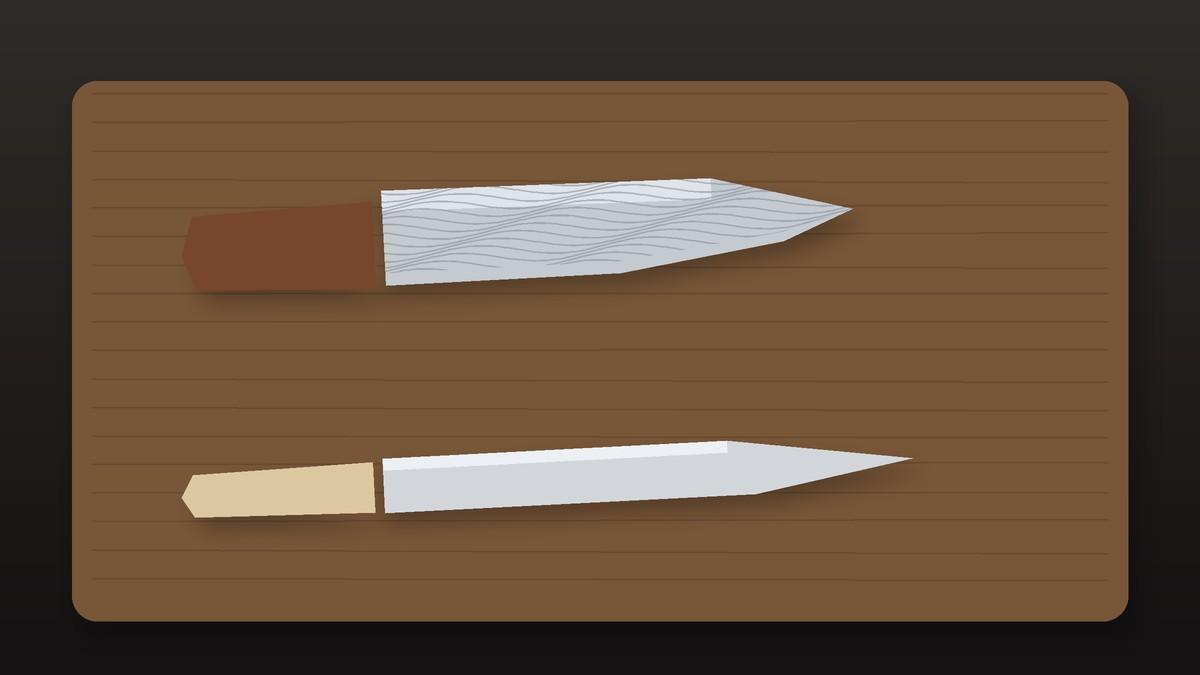
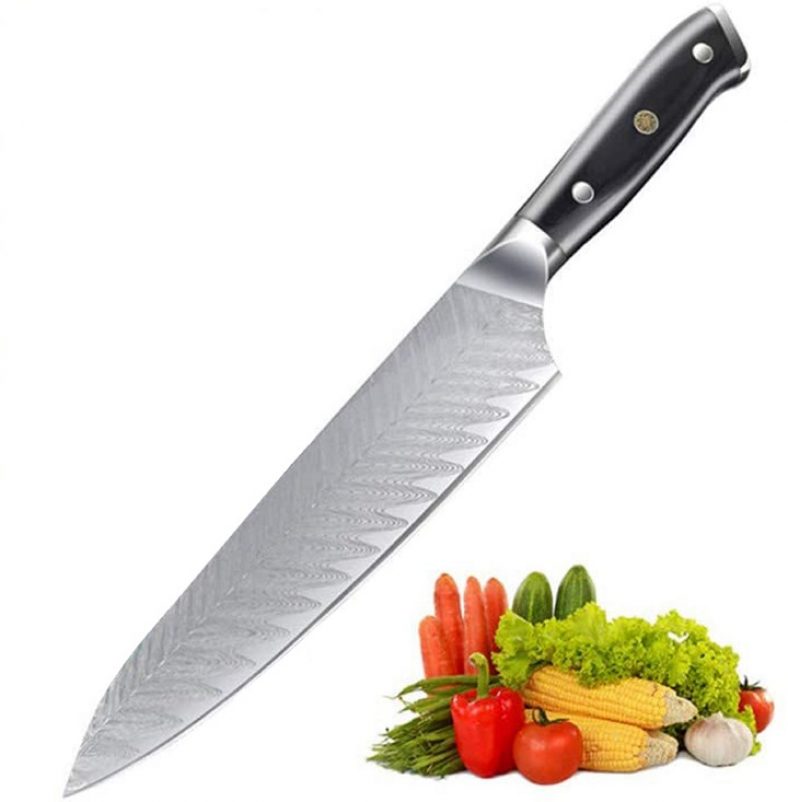
Shun’s Classic line uses a VG-MAX steel core clad in layered, Damascus-pattern stainless steel, with a D-shaped Pakkawood handle. The narrow, curved blade works for both boning and filleting.
Harder Japanese steel holds a keen edge for a long time. That suits careful work like trimming silver skin or removing fish skin.
What we like:
- Very sharp, long-lasting edge
- Works for boning and filleting
- Striking finish
What to consider:
- Expensive
- Harder steel can chip if twisted against bone
- D-shaped handle suits right-handers best
Check the current price of the Shun Classic boning and fillet knife on Amazon →
6. Mercer Ultimate White 6-Inch Curved — Best Budget
Best for: occasional use, or a backup knife for barbecue season.
A simple, inexpensive curved boning knife with a textured handle. It handles trimming and deboning well for the money.
It’s a good spare to keep in a barbecue kit. Expect to hone and sharpen it more often than pricier knives.
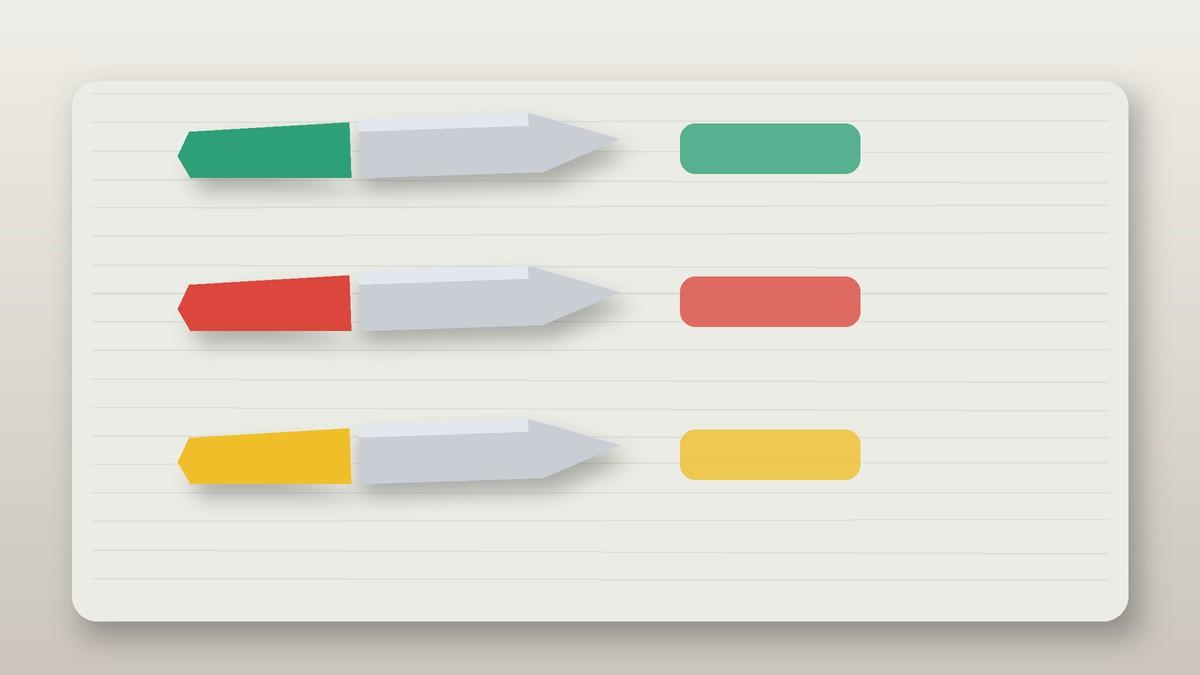
The white handle is common in commercial kitchens, where color-coded handles help separate raw meat from other prep. At home, it’s simply an easy-to-spot, easy-to-clean knife.
What we like:
- Very low price
- Curved blade follows bones
- Grippy handle
What to consider:
- Edge won’t last as long
- Basic fit and finish
Check the current price of the Mercer Ultimate White boning knife on Amazon →
How to Choose a Boning Knife
Flexible, Semi-Stiff or Stiff
| Flex | Best for | Why |
|---|---|---|
| Flexible | Chicken, turkey, fish | Bends around small bones and under skin |
| Semi-stiff | Pork, lamb, whole chickens | Best all-round balance of flex and control |
| Stiff | Beef, game, heavy trimming | Pushes through tough connective tissue |
Curved or Straight
A curved blade makes it easier to follow bones and peel away silver skin. A straight blade gives more control for precise cuts and for skinning fillets.
Length
Five to six inches suits most home kitchens. Longer blades help with big cuts and game processing but are harder to control around small bones.
Handle
Boning is greasy work, so a textured, non-slip handle is a genuine safety feature. Polished wood looks nice but can get slick.
Stamped or Forged
Most professional boning knives are stamped, because a light, thin blade is easier to steer around bones. Forged boning knives like the Mercer Genesis add weight and balance, which some cooks prefer.
Neither is better in absolute terms. Pick the feel that suits your hand and the jobs you do most.
Why Debone Your Own Meat?
Bone-in cuts and whole birds usually cost less per pound than trimmed, boneless ones. Deboning at home also gives you bones for stock and lets you trim exactly as much fat as you want.
Boning Knife vs. Fillet Knife
A fillet knife is longer, thinner and more flexible, made for separating fish fillets from the frame. A boning knife is shorter and sturdier, built for meat and poultry.
If you mostly cook fish, a dedicated fillet knife is worth having. For meat and poultry, a boning knife is the better tool.
Which Boning Knife for Which Job?
- Chicken and turkey: a flexible blade — see the best boning knife for chicken.
- Brisket and pork trimming: semi-stiff and curved — see the best boning knife for brisket.
- Deer and game: a stiffer blade and a sheath — see the best boning knife for processing deer.
- Fish: a flexible knife, or a dedicated fillet knife for larger fish.
How to Debone a Chicken Thigh
- Place the thigh skin-side down with the bone facing up.
- Cut along both sides of the bone with the tip, keeping the blade against it.
- Slide the knife under the bone and work it free, scraping rather than slicing.
- Cut the cartilage at each end to release the bone, then trim any excess fat.
Keep the blade angled toward the bone, not the meat, and you’ll waste very little. See how to use a boning knife for more techniques.
How to Break Down a Whole Chicken
- Pull each leg away from the body and cut through the skin, then pop the hip joint and cut through it.
- Separate the drumstick from the thigh by cutting through the joint at the fat line.
- Remove the wings by cutting through the shoulder joint.
- Run the knife along each side of the breastbone, keeping the blade against the ribs, to lift off the breasts.
- Save the carcass for stock.
How to Skin a Fish Fillet
Lay the fillet skin-side down and make a small cut at the tail end down to the skin. Grip the skin with a paper towel, angle a flexible blade slightly toward the board, and wiggle it along while pulling the skin gently the other way.
How to Trim Silver Skin
Slide the tip under one end of the silver skin and angle the blade slightly upward. Hold the loose end taut and run the knife along the length, keeping the edge pressed against the membrane.
Safety and Care
Boning work involves a lot of pulling, so cut away from yourself where possible and keep your guiding hand behind the blade. A cut-resistant glove on your guiding hand is a sensible investment.
Work on a stable board with a damp towel underneath, and wipe greasy handles often. A greasy hand slipping onto the blade is a bigger risk than the edge itself.
Hand wash and dry the knife right away, and hone it often. See how to sharpen kitchen knives for the basics.
Sharpening a Boning Knife
Boning knives work against fat, cartilage and bone, so they dull faster than you might expect. A few strokes on a honing rod before each session keeps the edge aligned.
Sharpen on a stone when honing stops helping, keeping the original angle. Take care at the narrow tip, which is easy to over-grind.
Common Mistakes
- Using a chef’s knife instead. Its wide blade can’t follow bones, so you waste meat.
- Choosing too much flex for beef. A floppy blade wanders and tires your hand.
- Prying with the tip. Thin tips snap; use the knife to cut, not lever.
- Letting it go dull. Fat and connective tissue blunt edges fast, so hone often.
Frequently Asked Questions
What’s the difference between a boning knife and a fillet knife?
A fillet knife is longer, thinner and more flexible for fish. A boning knife is shorter and sturdier for meat and poultry.
Should I get a flexible or stiff boning knife?
Flexible for poultry and fish, semi-stiff as an all-rounder, and stiff for beef and game.
Can I use a boning knife to trim brisket?
Yes — a curved, semi-stiff boning knife is one of the best tools for trimming fat and silver skin.
What length boning knife should I buy?
Six inches covers most home jobs.
Do I need more than one boning knife?
Many cooks keep two: a semi-stiff curved knife for meat and a flexible straight one for poultry and fish. Both Victorinox picks are inexpensive enough to make that easy.
Can a boning knife cut through bone?
No. It’s designed to work around bones; use a cleaver or a saw for cutting through them.
Related: best carving knives · best knife for cutting meat · best steak knives