
Quick Summary
- Best overall: Victorinox Swiss Classic 3.25″ — light, sharp and very cheap.
- Best grip: Mercer Millennia 3.5″ — a chunkier, non-slip handle.
- Best forged: Henckels Classic 4″ — solid and balanced.
- Best upgrade: KYOKU Shogun 3.5″ — VG10 steel core with a sheath.
- Shape matters: spear point for all-round work, bird’s beak for peeling round fruit.
Knives Task is reader-supported: if you buy through a link on this page, we may earn a small Amazon commission at no extra cost to you. That never changes which knives we recommend.
A paring knife handles the small, fiddly jobs a chef’s knife is too big for. Think peeling, coring, hulling strawberries, deveining shrimp, trimming garlic and scoring dough.
The good news is that a great paring knife is cheap. A comfortable handle, a thin blade and a shape that suits how you work matter far more than price.
Our Picks at a Glance
| Pick | Best for | Blade |
|---|---|---|
| Victorinox Swiss Classic 3.25″ | Best overall / best value | 3.25″, stamped |
| Mercer Millennia 3.5″ | Grip and comfort | 3.5″, textured handle |
| Henckels Classic 4″ | A forged, balanced feel | 4″, forged |
| Wüsthof Gourmet 3″ | Precise, compact work | 3″, made in Solingen |
| KYOKU Shogun 3.5″ | A Japanese-steel upgrade | 3.5″, VG10 core |
| ZYLISS 3.5″ with sheath | Picnics, bars, lunch boxes | 3.5″, with cover |
How we chose: we haven’t lab-tested these knives side by side. We compared blade length and shape, steel, construction (forged or stamped), handle design and the makers’ published specifications, and we favored models with a long track record and consistent owner feedback over newer, unproven listings.
The Best Paring Knives
1. Victorinox Swiss Classic 3.25-Inch — Best Overall
Best for: almost everyone — buy this if you only buy one paring knife.
Light, thin and sharp out of the box, this is the paring knife many cooks keep several of. The short spear-point blade gives fine control when you peel or core in your hand.
The simple polypropylene handle is comfortable and easy to clean. It’s inexpensive enough that you won’t worry about it getting lost in a drawer.
What we like:
- Very sharp and thin
- Light, nimble spear-point blade
- Excellent value
What to consider:
- Plain stamped construction and plastic handle
- Hand washing keeps the edge sharper, even though the maker allows the dishwasher
Check the current price of the Victorinox Swiss Classic paring knife on Amazon →
2. Mercer Millennia 3.5-Inch — Best Grip
Best for: people who want a more substantial, non-slip handle.
The Mercer’s textured handle is chunkier than the Victorinox’s and stays secure with wet hands. Many people find it easier to hold, including those with smaller or tired hands.
Its high-carbon Japanese steel blade is thin and takes a good edge. Mercer is a common sight in culinary schools, which says a lot about value and durability.
What we like:
- Secure, textured grip
- Thin blade that sharpens easily
- Low price
What to consider:
- Bulkier handle feels less nimble for fine in-hand peeling
Check the current price of the Mercer Millennia paring knife on Amazon →
3. Henckels Classic 4-Inch — Best Forged Paring Knife
Best for: cooks who like a solid, balanced knife that matches a forged set.
Forged from German stainless steel with a full tang and triple-riveted handle, this one feels sturdier than stamped paring knives. The slightly longer 4-inch blade is handy for small board work as well as peeling.
It’s a good choice if you already own Henckels Classic knives and want a matching set. The extra weight also feels reassuring when you trim tougher produce.
What we like:
- Solid, balanced, forged build
- Longer blade for board work
- Matches the Classic range
What to consider:
- Heavier than stamped knives
- The bolster takes a little getting used to when sharpening
Check the current price of the Henckels Classic paring knife on Amazon →
4. Wüsthof Gourmet 3-Inch — Best for Precision
Best for: detailed jobs like hulling, coring and garnishing.
Made in Solingen, Germany, the Gourmet line is laser-cut (stamped) rather than forged, which keeps it light. The short, pointed 3-inch blade is easy to steer around small fruit and vegetables.
It’s a sensible way to get Wüsthof quality without forged-knife prices. The triple-riveted synthetic handle is durable and easy to clean.
What we like:
- Light and very controllable
- German-made quality
- Pointed tip for detail work
What to consider:
- Too short for slicing larger items on a board
- Costs more than Victorinox or Mercer
Check the current price of the Wüsthof Gourmet paring knife on Amazon →
5. KYOKU Shogun 3.5-Inch — Best Japanese-Steel Option
Best for: cooks who want a harder, longer-lasting edge and a striking look.
The Shogun has a VG10 steel core with a layered Damascus-pattern cladding, a full tang and a G10 handle. It comes with a protective guard for storage.
Harder Japanese steels hold a keen edge longer than typical German stainless. That means less frequent sharpening for small, edge-hungry jobs.
What we like:
- Holds an edge well
- Attractive Damascus-pattern finish
- Includes a blade guard
What to consider:
- Harder steel can chip if twisted or used on hard boards
- Pricier than our top picks
Check the current price of the KYOKU Shogun paring knife on Amazon →
6. ZYLISS 3.5-Inch with Sheath — Best to Carry
Best for: picnics, lunch boxes, camping kitchens and bar setups.
The snap-on sheath makes this knife safe to toss into a bag or a loose drawer. That’s why it’s popular for prepping citrus garnishes behind a bar or cutting fruit on the go.
It’s simple and inexpensive, so losing it on a picnic isn’t a disaster. Buy it for convenience rather than for outright cutting performance.
What we like:
- Sheath makes it safe to carry
- Inexpensive
- Easy to clean
What to consider:
- Basic steel and edge retention
- Not as nimble as the Victorinox
Check the current price of the ZYLISS paring knife with sheath on Amazon →
How to Choose a Paring Knife
Length: 3 to 4 Inches
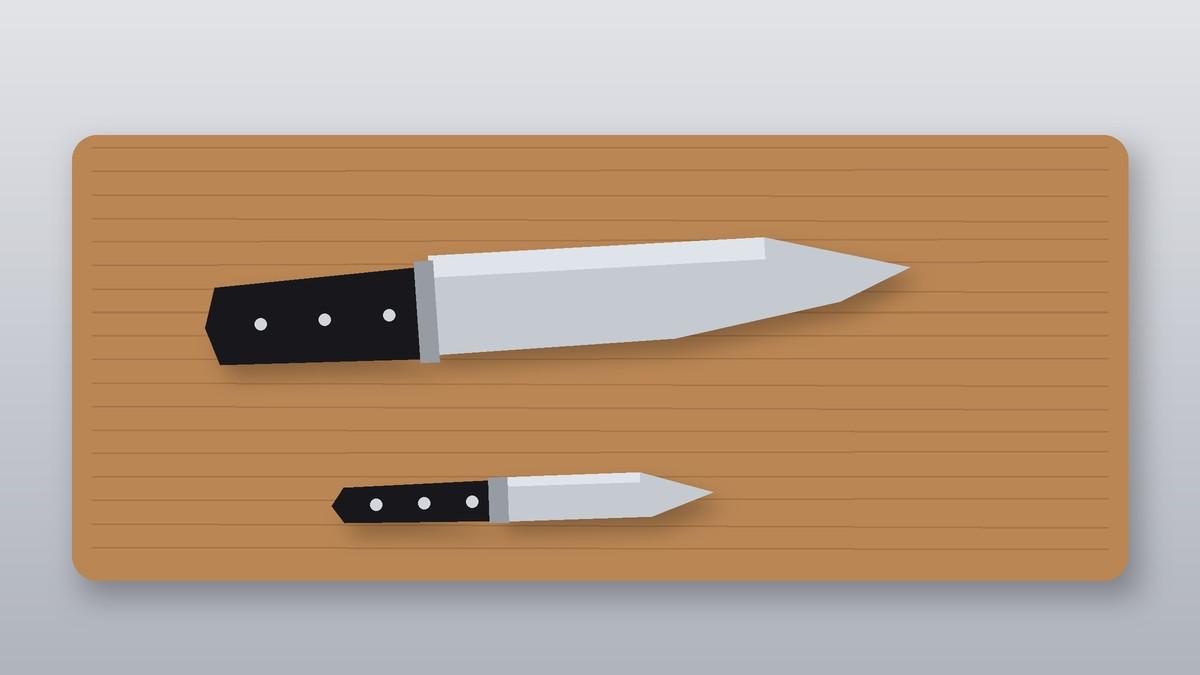
Shorter blades of around 3 inches are best for peeling and coring in your hand. Around 4 inches is better if you also want to slice small items on a board.
If you need something longer, that’s a job for a utility knife or a chef’s knife.
Blade Shape
| Shape | What it looks like | Best for |
|---|---|---|
| Spear point | Straight edge with a centered point | All-round peeling, trimming, scoring |
| Sheep’s foot | Straight edge, rounded spine and tip | Neat board cuts; safer for beginners |
| Bird’s beak (tourné) | Short blade curved like a claw | Peeling round fruit and potatoes |
Straight or Serrated Edge
A straight edge gives cleaner cuts and is easy to sharpen. A small serrated paring knife is handy for tomatoes and citrus, but it tears softer food and is harder to sharpen.
Handle Comfort
You hold a paring knife in the air as often as on a board, so the handle matters more than the steel. Textured or slightly thicker handles are easier on hands with arthritis or reduced grip strength.
Slim handles give more fingertip control for fine work. If you can, hold a few knives before you buy and choose the one that disappears in your hand.
Stamped or Forged
Stamped paring knives are lighter and cheaper, which suits a tool you mostly hold in mid-air. Forged knives feel heavier and more balanced, and they match forged sets.
Does the Steel Matter?
Less than you might think. Most paring knives use either German-style stainless, which is tough and easy to sharpen, or harder Japanese steel such as VG10, which holds an edge longer.
Harder steel is a real benefit on a knife you sharpen often, but it’s also more brittle. For a beginner, an easy-to-sharpen stainless blade is the more forgiving choice — see our knife steel comparison for detail.
Do You Need More Than One?
Many cooks keep two: a cheap spear point for everyday work and a bird’s beak for peeling round fruit. Because good paring knives are inexpensive, a spare also means you always have a sharp one while the other waits to be sharpened.
Which Paring Knife for Which Job?
- Beginners: Victorinox — cheap, sharp and forgiving.
- Small hands or arthritis: the Mercer’s grippier handle is usually more comfortable.
- Peeling potatoes and apples: a short spear point or a bird’s beak blade.
- Bartenders: the ZYLISS with its sheath, or a Victorinox kept in a guard.
- Wood carving: use a dedicated carving knife — see our best wood carving knives.
Classic Paring Knife Jobs
Hulling Strawberries
Insert the tip at an angle beside the stem and turn the berry against the blade. You’ll lift out a small cone of leaves and core with very little waste.
Deveining Shrimp
Run the tip along the back of the shrimp to open a shallow channel. Lift the dark vein out with the point of the knife, then rinse.
Segmenting Citrus
Cut the peel and pith away, then slice along each membrane toward the center. The segments drop out cleanly — a short, sharp blade makes this much easier.
Coring Tomatoes and Apples
Push the tip in at an angle around the stem and rotate the fruit. For apples, quarter them first on a board, then trim the core from each piece.
How to Use a Paring Knife Safely
- For in-hand peeling, pull the blade toward your thumb slowly and keep your thumb behind the edge.
- Do anything that needs force — like halving a hard squash — on a board with a bigger knife.
- Keep the knife sharp; a dull paring knife slips off skins and is more likely to cut you.
- Store it in a guard or block rather than loose in a drawer.
Paring Knife or Vegetable Peeler?
A Y-peeler is faster for long vegetables like carrots and potatoes, and it removes a thinner layer of skin. A paring knife is more versatile, because it can also trim, core, score and segment.
Most kitchens benefit from both. If you only have room for one tool, the paring knife does more jobs.
Common Buying Mistakes
- Buying a set of eight cheap knives. One or two good ones will cut better and last longer.
- Choosing a blade that’s too long. Beyond 4 inches you lose the fingertip control that makes a paring knife useful.
- Picking looks over grip. Polished metal handles can get slippery with wet hands.
- Forgetting storage. A loose paring knife in a drawer dulls fast and is easy to grab by the blade.
Care Tips
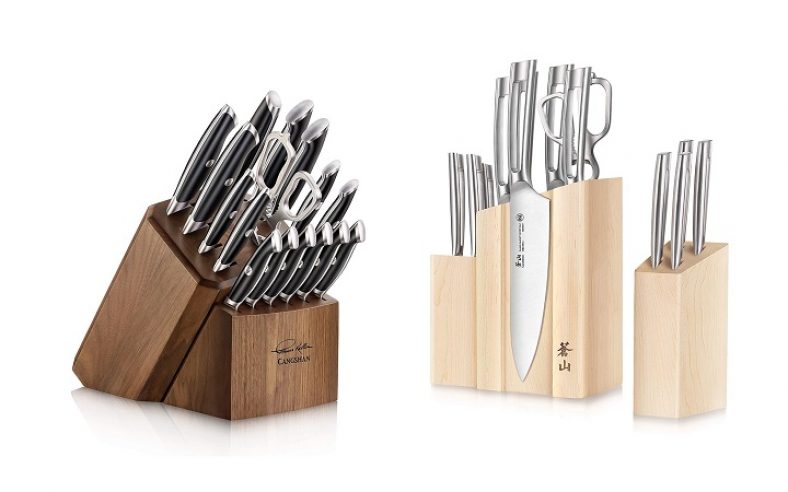
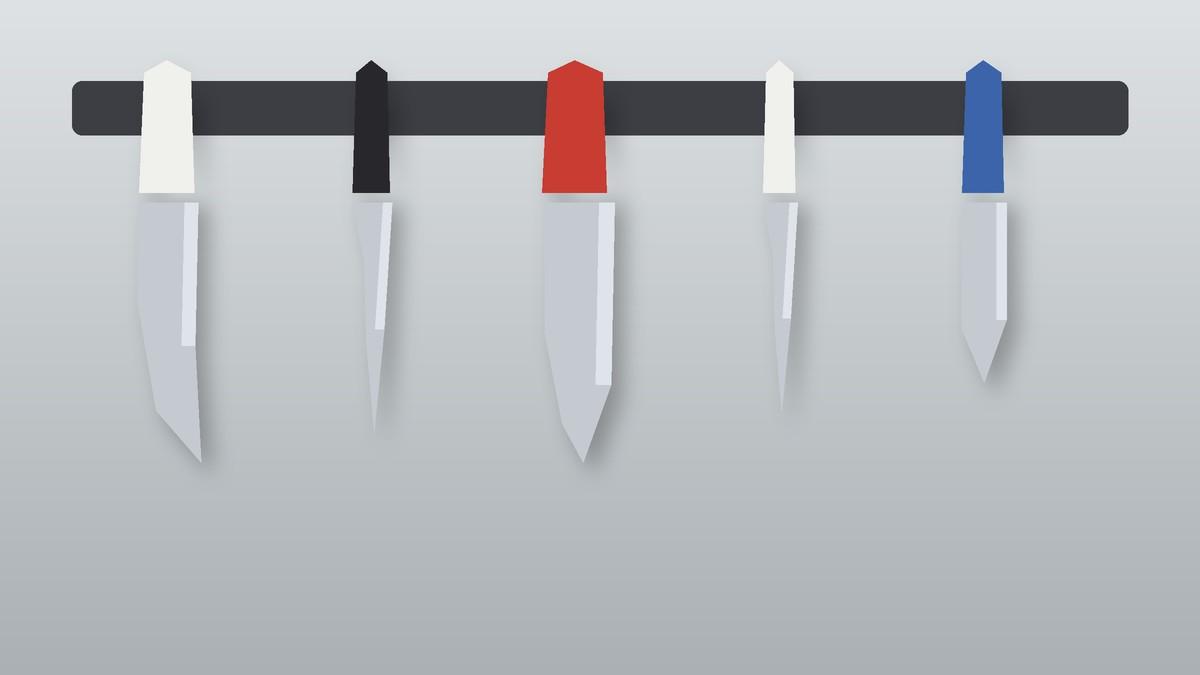
Hand wash and dry paring knives right away. Store them in a block, on a magnetic strip or in a guard so the edge doesn’t get knocked.
Hone them often, because small knives dull quickly on hard skins. Our knife sharpening guide covers the basics.
Frequently Asked Questions
What is a paring knife used for?
Peeling, coring, trimming, hulling, deveining shrimp, scoring and any small cut that’s easier to control with a short blade.
What’s the difference between a paring knife and a utility knife?
A paring knife is usually 3–4 inches and built for in-hand work. A utility knife is longer, about 5–6 inches, and sits between a paring knife and a chef’s knife.
Should I buy a paring knife set?
Only if you want several of the same inexpensive knife around the kitchen. Most people do better with one good paring knife and a good chef’s knife.
Are paring knives dishwasher safe?
Some makers say yes, but hand washing protects both the edge and the handle. It only takes a few seconds.
Are ceramic paring knives any good?
They stay sharp for a long time and are very light. They’re also brittle, so they can chip or snap if dropped or twisted, and they’re hard to sharpen at home.
How often should I sharpen a paring knife?
Hone it every few uses and sharpen it when honing no longer brings the edge back. For most home cooks that’s every few months.
Related: best bread knives · best chef’s knife for home cooks · types of knives and their uses