Quick Summary
- Forged knives are shaped from a heated steel bar and usually have a bolster and full tang.
- Stamped knives are cut from a sheet of steel, so they’re lighter, thinner and cheaper.
- Steel and heat treatment matter more than the method; good stamped knives can outperform poor forged ones.
- Choose forged for heft, balance and a bolster; choose stamped for agility, value and easy sharpening.
- Example: the stamped Victorinox Fibrox Pro is a long-time budget favorite among cooking testers.
Knives Task is reader-supported: if you buy through a link on this page, we may earn a small Amazon commission at no extra cost to you. That never changes which knives we recommend.
When you shop for kitchen knives, you’ll see them described as forged or stamped. The terms describe how the blade is shaped, and they affect weight, balance and price.
They don’t, on their own, decide whether a knife is good. This guide explains the real differences and helps you pick.
How Forged and Stamped Knives Are Made
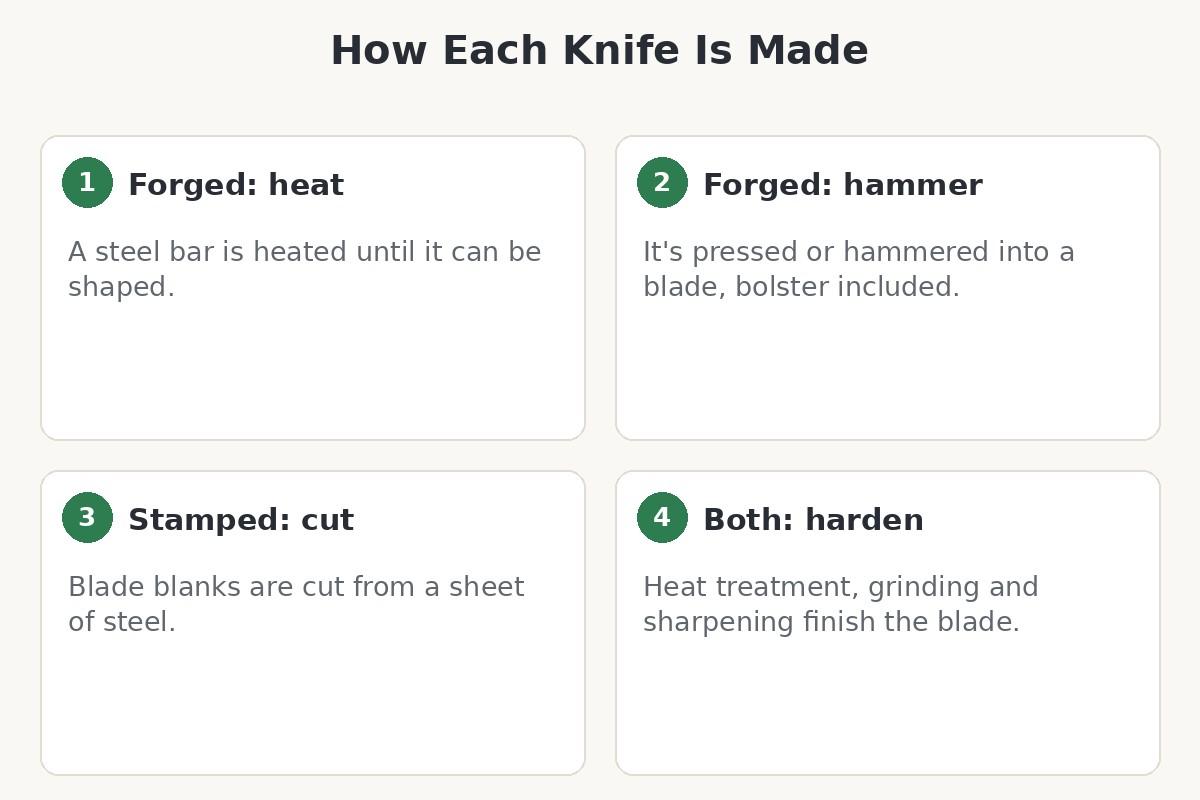
A forged knife starts as a bar of steel that’s heated and then pressed or hammered into shape. The bolster, the thick collar where the blade meets the handle, is usually formed from the same piece.
A stamped knife is cut from a large sheet of steel, a little like a cookie cutter, then ground, heat-treated and sharpened. The process is easier to automate, so stamped knives cost less to make.
Cookware brand Made In’s explainer on forged vs stamped knives describes the same two processes. Keep in mind that Made In sells forged knives, so it favors them.
How to Tell Them Apart
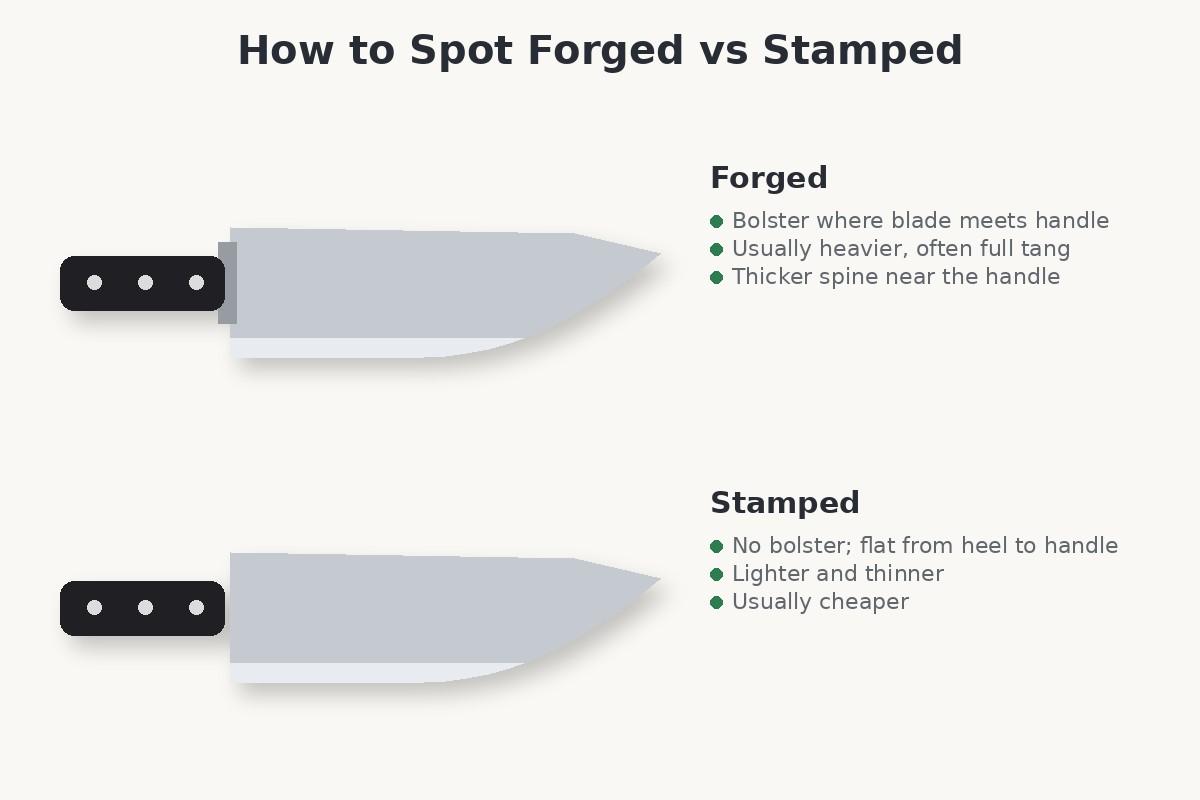
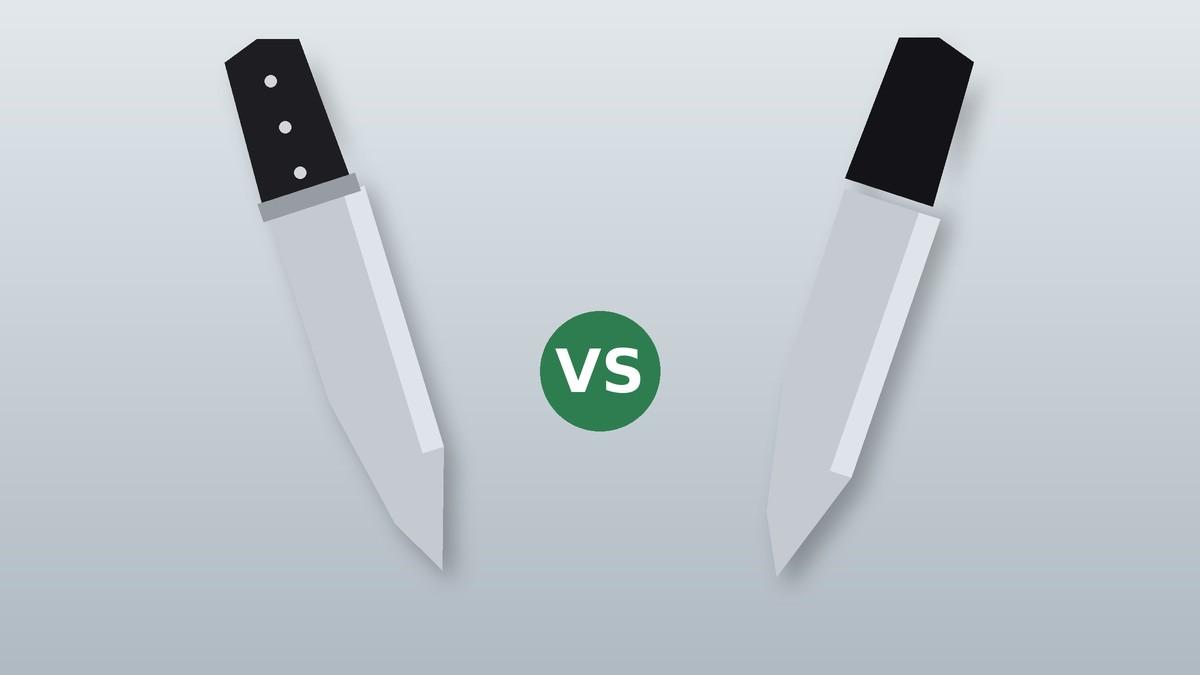
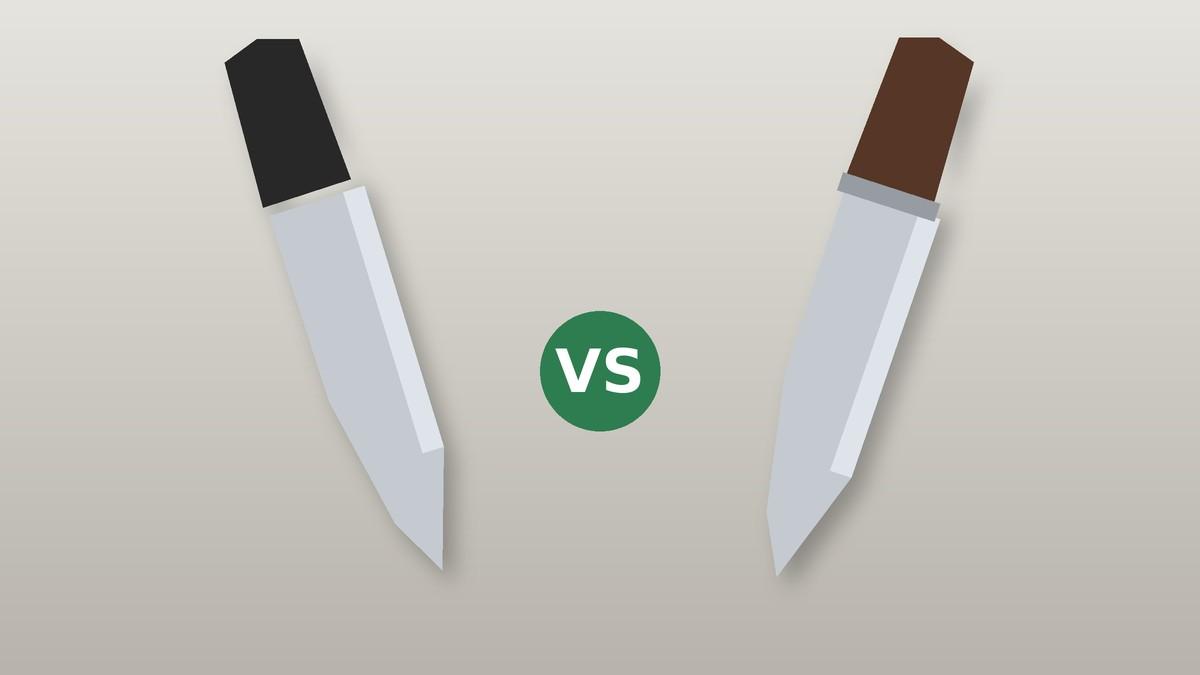
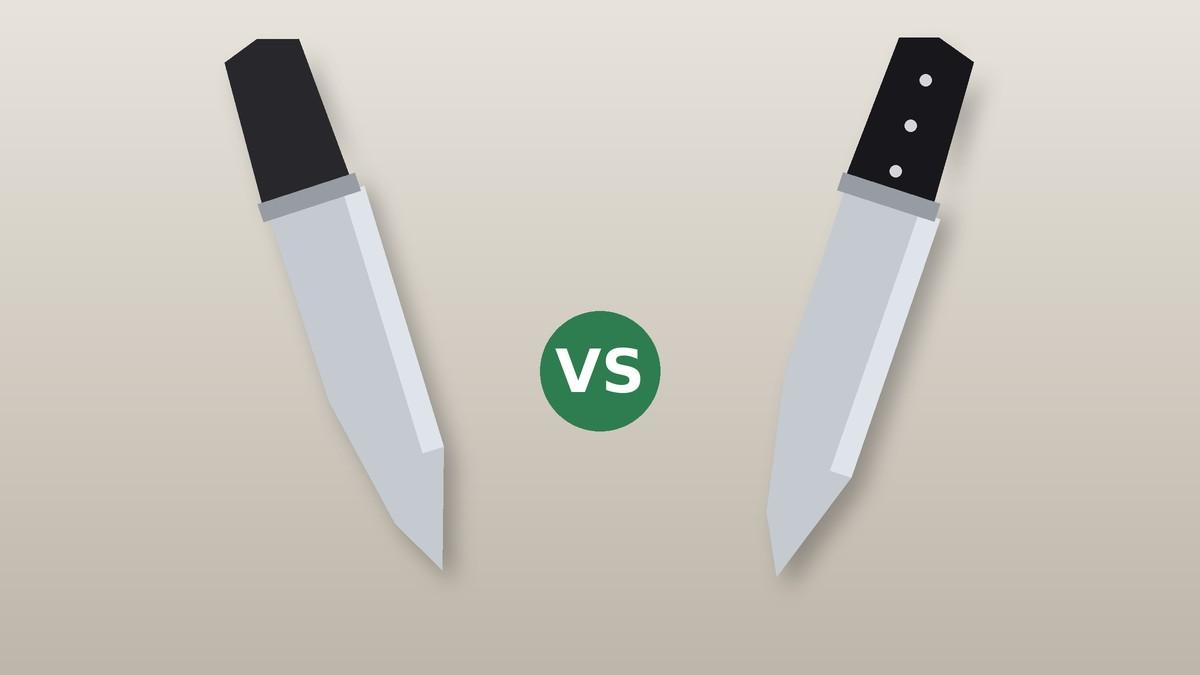
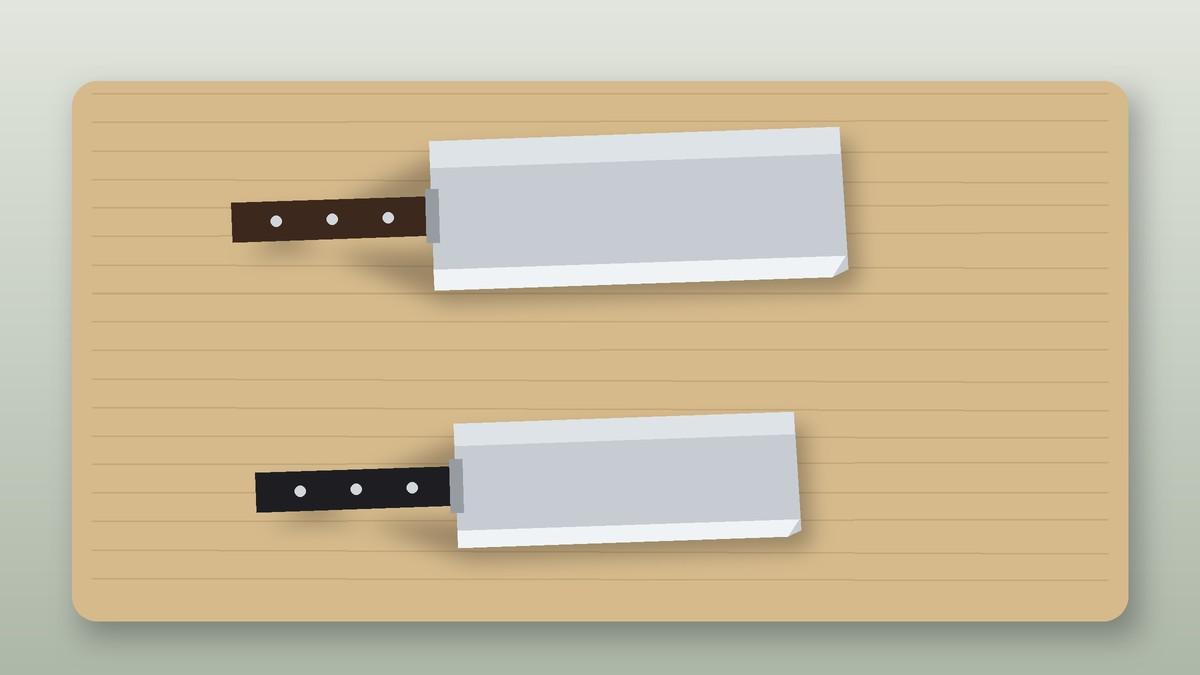
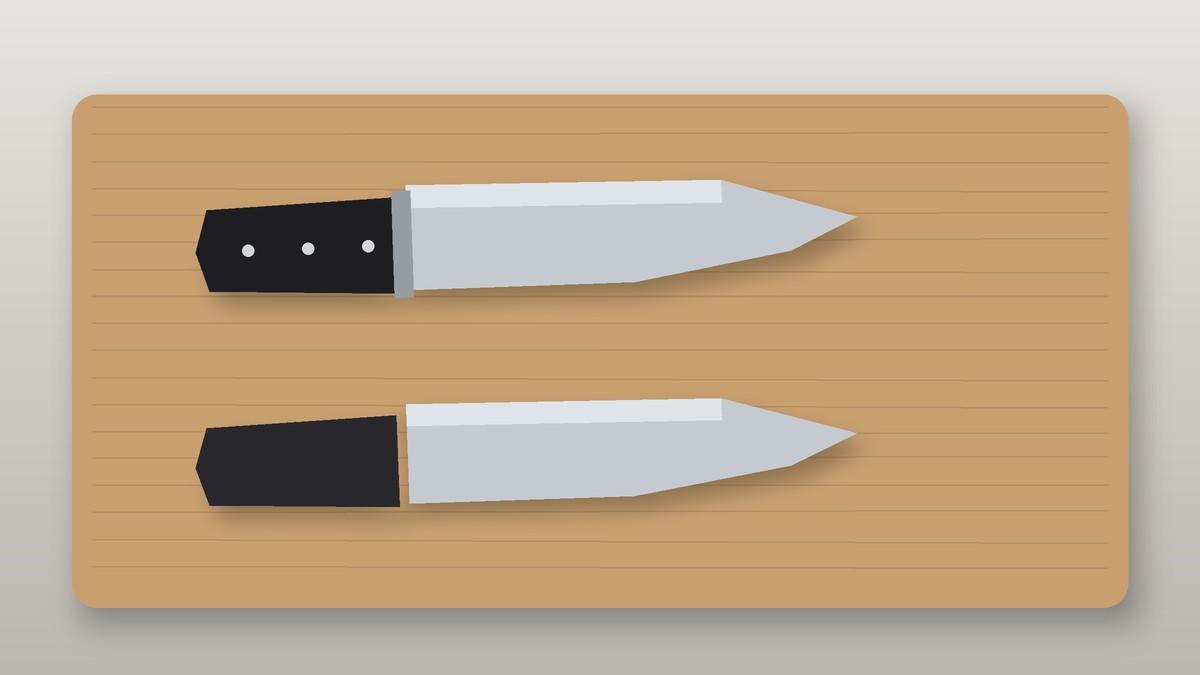
- Bolster: a thick metal collar between blade and handle usually means forged.
- Spine thickness: forged blades are often thicker near the handle and taper toward the tip.
- Weight: forged knives usually feel heavier for their size.
- Price: forged knives from the same brand usually cost more.
Some modern stamped knives add a separate bolster, and some forged knives have no full bolster. When in doubt, check the maker’s description.
Forged vs Stamped Compared
| Forged | Stamped | |
|---|---|---|
| How it’s made | Heated bar pressed or hammered into shape | Cut from a sheet of steel |
| Weight | Heavier | Lighter |
| Bolster | Usually yes | Usually no |
| Tang | Usually full | Varies |
| Feel | Solid, balanced toward the handle | Nimble, thin |
| Sharpening | A full bolster can get in the way at the heel | Easy along the whole edge |
| Price | Higher | Lower |
Advantages of Forged Knives
Forged knives feel solid and stable, which many cooks like for chopping hard vegetables and breaking down chicken. The weight helps the blade move through dense food with less effort.
The bolster gives your fingers a comfortable resting place in a pinch grip and protects them from sliding onto the edge. Many forged knives also have a full tang, with steel running the length of the handle.
A good example is the forged Wüsthof Classic chef’s knife, a long-standing German favorite.
Disadvantages of Forged Knives
Forged knives cost more and can tire your hand during long prep sessions. A full bolster can make sharpening the heel of the blade awkward over time.
Advantages of Stamped Knives
Stamped knives are lighter and thinner, so they glide through food and are easy to control. Many professional cooks prefer them for long shifts.
They’re also cheaper and easier to sharpen right to the heel. The Victorinox Fibrox Pro 8-inch chef’s knife is a stamped knife that cooking testers have praised for years.
Disadvantages of Stamped Knives
Very cheap stamped knives can be flimsy, bend under pressure or use soft steel that dulls quickly. Their handles may also feel less substantial.
Is Forged Always Better?
Not anymore. Forging once meant better steel, but modern stamped knives from good makers use quality steel and careful heat treatment.
Even Prudent Reviews, which favors forged knives in its forged vs stamped comparison, names well-made stamped lines such as Global and Wüsthof Gourmet that perform well.
Food site Tasting Table’s look at stamped vs forged durability makes the same point: steel quality and construction matter more than the method alone.
Our older article claimed a forged knife is “lighter by several ounces” than a stamped one. The opposite is usually true.
Which Should You Choose?
| You want | Choose |
|---|---|
| A heavy, solid feel | Forged |
| A light, fast knife for long prep | Stamped |
| The best value | Stamped |
| A finger-protecting bolster | Forged |
| Easy whetstone sharpening | Stamped or forged with a half bolster |
If you’re buying a set, the forged Mercer Genesis 6-Piece Forged Block Set is a popular mid-priced choice. Compare more options in our guides to the best chef’s knives under $100 and the best knife sets under $200.
Does It Matter for Sharpening?
Both types sharpen the same way on a whetstone or sharpener. The main difference is the bolster: a full bolster on a forged knife can stop the heel touching the stone, so that part of the edge slowly gets left behind.
Some makers now use a half bolster that leaves the heel free. Steel hardness matters more for edge retention than whether the blade was forged or stamped; see our knife steel comparison.
Try Before You Buy
If you can, hold both types in a shop. Personal comfort matters more than the manufacturing method.
Notice where the knife balances, how the handle fits your hand and whether the weight feels reassuring or tiring. A knife you enjoy using is the one you’ll reach for every day.
Caring for Either Type
Hand-wash and dry both types immediately, and keep them out of the dishwasher. Hone regularly and sharpen when honing no longer restores the edge.
Store them in a block, on a magnetic strip or with blade guards. With good care, either type can last for decades.
What About Japanese Knives?
Many Japanese knives are forged too, often from a hard steel core clad in softer layers. Others are cut from laminated sheet steel and then ground, so the forged-versus-stamped label is less useful there.
Japanese blades rarely have a heavy Western bolster, which keeps them light and makes sharpening the heel easy. For them, the steel type and hardness tell you far more than the manufacturing method.
Common Myths
One myth is that rivets in the handle prove a knife is high quality. Rivets show how the handle is attached, not how good the steel is.
Another is that heavier always means sharper. Weight helps with dense food, but sharpness comes from steel quality, edge geometry and maintenance.
Our Verdict
Buy forged if you like a weighty, balanced knife with a bolster and don’t mind paying more. Buy stamped if you want a light, agile blade or the best value for money.
Either way, check the steel, the handle comfort and the maker’s reputation before the manufacturing label.
Frequently Asked Questions
What is the difference between forged and stamped knives?
Forged knives are shaped from a heated steel bar; stamped knives are cut from a sheet of steel.
Are forged knives better than stamped?
Not necessarily; steel quality and heat treatment matter more than the method.
How can I tell if a knife is forged?
Look for a bolster and a thicker spine near the handle, and check the maker’s description.
Do stamped knives stay sharp?
Good stamped knives hold an edge well; very cheap ones may dull faster.
Is the Victorinox Fibrox forged or stamped?
It’s stamped, and widely praised as a budget chef’s knife.