Quick Summary
- Hand forged means a smith heated and hammered the blade into shape, not just decorated it.
- Most “forged” knives from big brands are machine-forged, which is a different process.
- Genuine hand-forged knives usually come from small workshops in places like Sakai, Echizen and Tosa, or from independent bladesmiths.
- Price is a clue: real handmade knives take hours of skilled work and rarely cost very little.
- Ignore hype such as “forged for 100 days” or hammered patterns on cheap mass-produced sets.
“Hand forged” is one of the most popular phrases in kitchen knife listings. It suggests craftsmanship, tradition and a blade made by a skilled smith rather than a machine.
Sometimes that’s true, and sometimes it’s just marketing. This guide explains what hand forging really involves, how it compares with other methods and how to tell a genuine hand-forged knife from a look-alike.
Three Ways Kitchen Knives Are Made
| Method | How it works | Typical examples |
|---|---|---|
| Hand forged | A smith heats steel and shapes it with a hammer, then grinds and sharpens it | Small Japanese workshops, independent bladesmiths |
| Machine forged | Hot steel is pressed or hammered into shape by machines and dies | Wüsthof Classic, Zwilling Pro |
| Stamped | Blades are cut from a sheet of steel, then heat treated and ground | Victorinox Fibrox, many budget knives |
All three methods can produce excellent knives. The quality of the steel, the heat treatment and the final grind matter far more than the forming method.
What Hand Forging Actually Involves
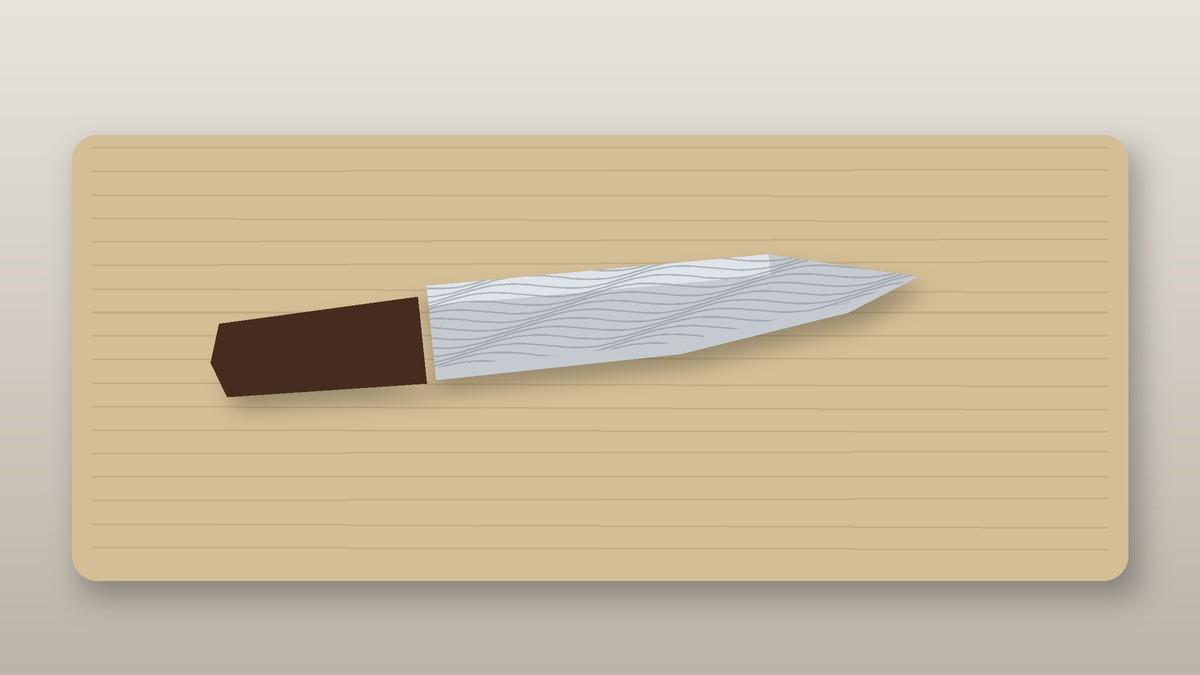
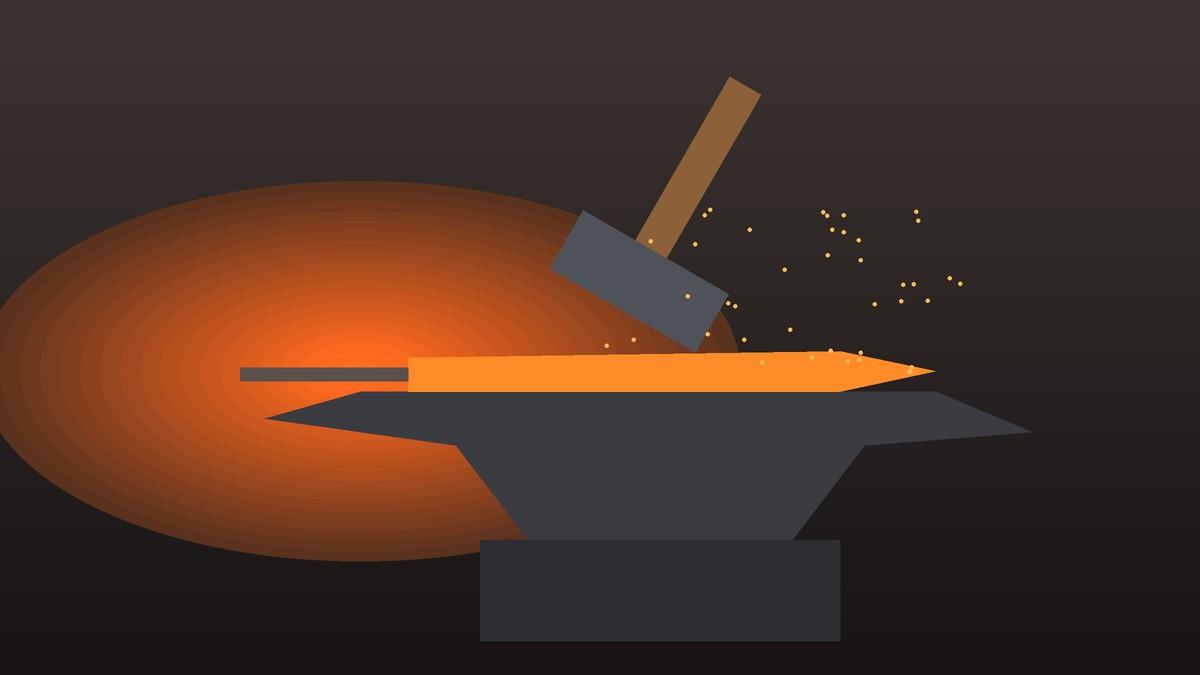
In hand forging, a smith heats a piece of steel until it glows and shapes it on an anvil with a hammer. Many smiths also forge-weld layers together, such as a hard core steel between softer outer layers.
The blade is then heat treated to harden it, ground to its final shape and sharpened. Grinding and sharpening often take as much skill as the forging itself.
A single knife can take hours of work spread over several days. That’s why genuine hand-forged knives usually cost much more than mass-produced ones.
Hand Forged Compared With Machine Forged
Big brands describe many of their knives as forged, and that’s accurate. Their blades are usually drop-forged by machines, which produces consistent, durable knives in large numbers.
Machine-forged knives are often excellent and great value. They’re just not hand forged, and reputable brands don’t claim they are.
Where Genuine Hand-Forged Knives Come From
Japan has several regions where small workshops still forge kitchen knives by hand. Sakai, near Osaka, is famous for traditional single-bevel knives, and Echizen in Fukui is home to the Takefu Knife Village cooperative workshop.
Tosa in Kochi and Sanjo in Niigata are known for rustic, blacksmith-made blades. Many of these knives are sold through specialist Japanese knife retailers rather than big marketplaces.
Outside Japan, independent bladesmiths in Europe and North America make custom kitchen knives. In the United States, the American Bladesmith Society trains and tests smiths in forging skills.
Laminated Blades: San-Mai and Damascus
Many hand-forged knives are laminated, with a hard cutting core sandwiched between softer, tougher outer layers. The three-layer version is often called san-mai.
Damascus blades fold or stack many layers to create a visible pattern. Genuine layered Damascus is real craftsmanship, but some cheap knives only have a pattern etched or printed on the surface.
How to Spot Misleading “Hand-Forged” Claims
- Very low prices: a full set of “hand-forged” knives for the price of one good machine-made knife is a red flag.
- Exaggerated timelines: claims like “hand forged for 100 days” are marketing, not a description of the process.
- No maker named: genuine smiths and workshops are proud to put their name on their work.
- Decorative hammer marks: a hammered finish can be applied by machine and doesn’t prove hand forging.
- Vague steel: look for a named steel, such as Aogami, Shirogami, VG-10 or 52100.
- Identical listings: the same knife sold under many brand names usually comes from one factory.
Questions to Ask Before You Buy
A genuine maker or specialist retailer should be able to answer these questions easily. Vague answers are a warning sign.
- Who made it? Look for a named smith, workshop or region.
- What steel is the core? Ask for the specific steel, not just “high carbon”.
- Is it laminated or a single steel? This affects toughness, sharpening and care.
- What hardness is it? Most quality kitchen knives fall between about 58 and 64 HRC.
- Is it single or double bevel? Single-bevel knives need a different sharpening technique.
- What does the warranty or after-sales service cover? Good makers often offer sharpening or repairs.
Is a Hand-Forged Knife Better?
Not automatically. A skilled smith can produce a superb knife, but a poorly made hand-forged blade can be worse than a well-made factory knife.
What you’re really paying for is the skill of the maker, the steel choice and the heat treatment, plus the character of a handmade tool. For many cooks, that makes a hand-forged knife a joy to own.
| You want… | Consider |
|---|---|
| Great performance on a budget | A quality machine-forged or stamped knife |
| A tough everyday knife | A forged German chef’s knife |
| A very sharp, light blade | A Japanese factory knife from a known maker |
| A handmade tool with character | A knife from a named workshop or bladesmith |
For good factory-made options, see our guides to the best Japanese kitchen knives and German kitchen knives.
Caring for a Hand-Forged Knife
Many hand-forged knives use carbon steel, which takes a very sharp edge but rusts quickly. Wipe the blade dry after every cut session, and never leave it wet or in the sink.
- Dry immediately: moisture causes rust spots within hours on carbon steel.
- Expect a patina: carbon steel darkens with use, which is normal and helps protect it.
- Oil for storage: a thin coat of food-safe oil prevents rust between uses.
- Sharpen on stones: pull-through sharpeners can damage hand-ground edges.
- Avoid bones and frozen food: thin, hard edges can chip.
Our guide on how to get rust off kitchen knives helps if spots appear.
What Should a Hand-Forged Knife Cost?
Prices vary widely, but a genuine hand-forged chef’s knife from a recognized workshop or bladesmith usually costs considerably more than a factory knife. Custom knives from well-known smiths can cost much more.
If the price seems too good to be true for a handmade item, it usually is. Spend your money on a named maker and a clearly described steel.
Many specialist retailers also offer sharpening services and advice on care, which adds real value to a handmade knife.
Frequently Asked Questions
What does hand forged mean on a knife?
It means a smith heated and hammered the blade into shape by hand, rather than cutting it from a sheet or forming it entirely by machine.
Are hand-forged knives better than machine-made knives?
Not automatically. Quality depends on the maker’s skill, the steel and the heat treatment.
Are cheap hand-forged knife sets real?
Often not. Very cheap sets with dramatic claims are usually mass-produced, even if they look hammered.
Do hand-forged knives rust?
Many use carbon steel, which rusts if left wet. Dry them immediately and oil them for storage.
Where can I buy a genuine hand-forged knife?
From named workshops, specialist Japanese knife retailers or independent bladesmiths who describe their process and steel.