Quick Summary
- Best quick fix: the rough, unglazed ring on the bottom of a ceramic mug or plate.
- Best home method: wet-and-dry sandpaper taped to a flat board, 400 then 1000 grit.
- For touch-ups: a leather belt strops and aligns an edge, but can’t fix a really dull knife.
- Avoid: car windows, concrete and grinding one knife against another.
- These are stopgaps: a proper stone or sharpener still gives the best, longest-lasting edge.
A dull knife is frustrating and dangerous, because it needs more force and is more likely to slip. If you don’t have a whetstone or sharpener to hand, a few household items can bring the edge back well enough to keep cooking or working.
The key is understanding what each method can and can’t do. Some genuinely grind a new edge; others only realign an edge that’s still close to sharp.
Methods at a Glance
| Method | What it does | Best for |
|---|---|---|
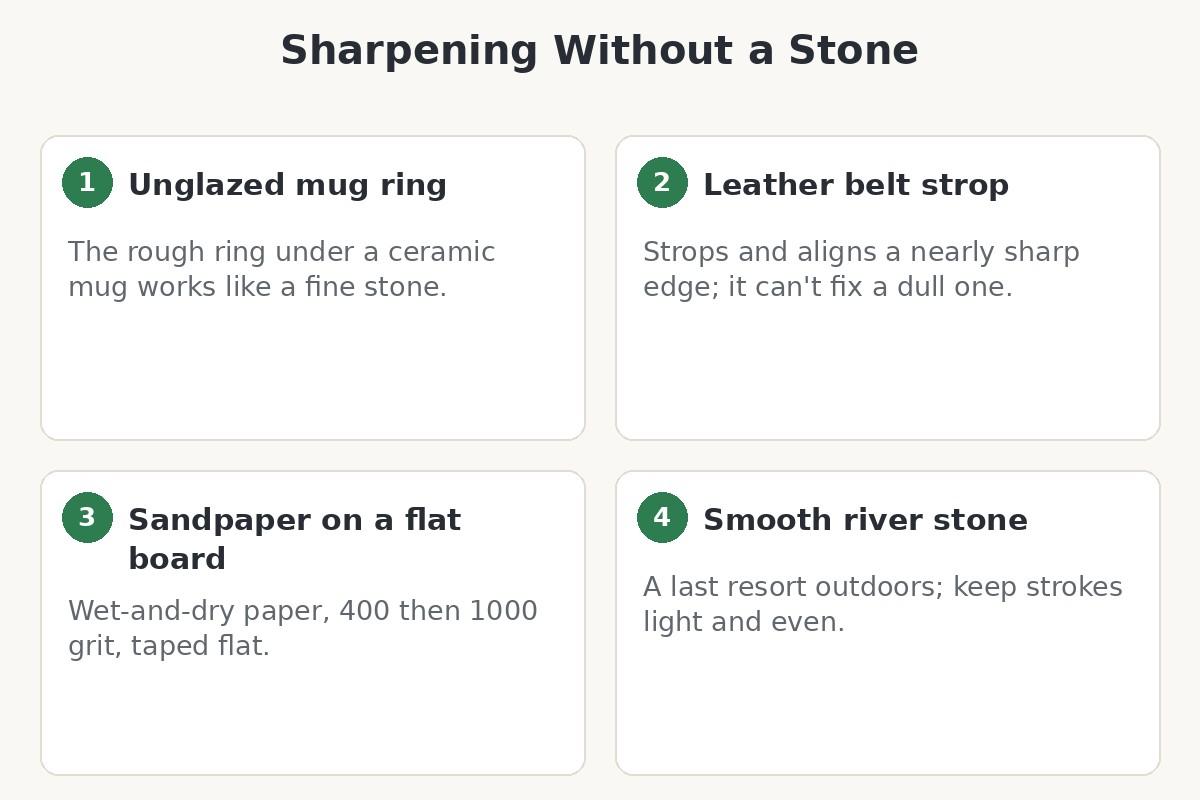
| Unglazed mug or plate ring | Grinds like a fine stone | Kitchen knives, quick fixes |
| Sandpaper on a flat board | Grinds at chosen grits | Restoring a dull edge at home |
| Leather belt or strop | Polishes and aligns | Touching up a nearly sharp edge |
| Smooth river stone | Grinds unevenly | Outdoors, as a last resort |
1. The Unglazed Mug or Plate Ring
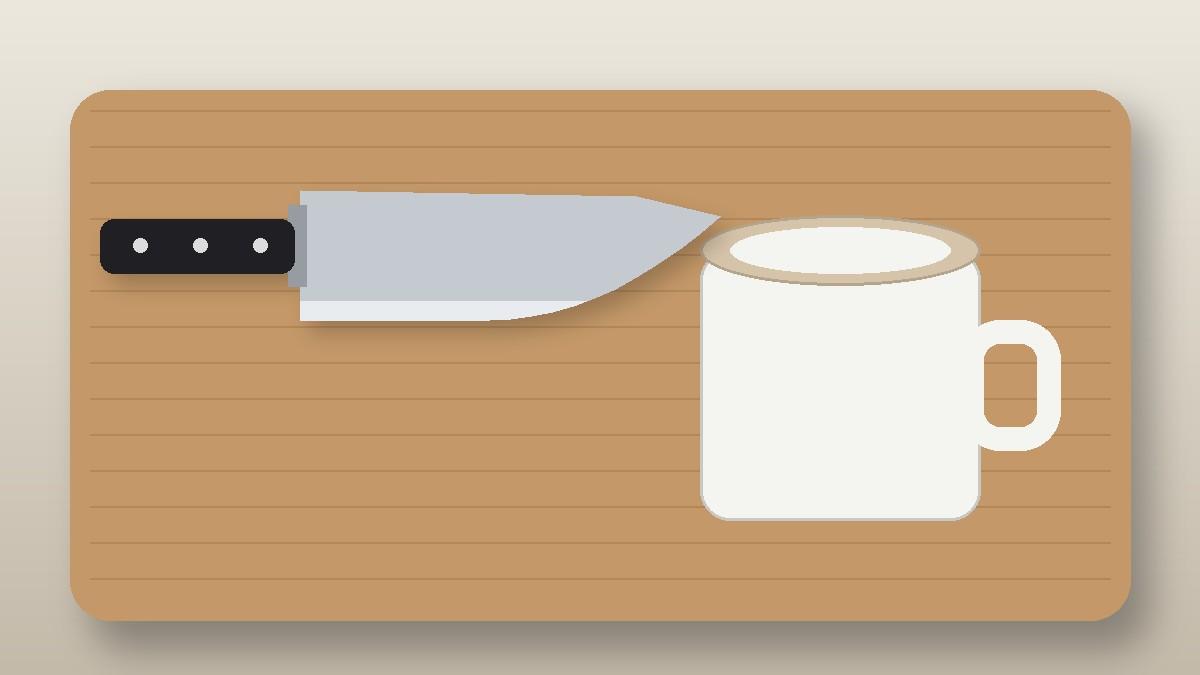
Most ceramic mugs and plates have a rough, unglazed ring on the bottom. That bare ceramic is abrasive, much like a fine sharpening stone.
Turn the mug upside down on a towel so it can’t slide. Hold the blade at roughly 15 to 20 degrees and draw it across the ring from heel to tip, several strokes per side, alternating sides.
Food site Tasting Table describes the same trick and stresses that it’s a temporary fix. Wash the mug afterward to remove metal particles.
Our older version of this article recommended a 30 to 40-degree angle, which is far too steep for a kitchen knife and would blunt rather than sharpen it.
2. Sandpaper on a Flat Surface
Sandpaper is the closest thing to a real stone. Use wet-and-dry silicon carbide paper and tape or glue it to a flat board, a sheet of glass or a smooth countertop offcut.
Start with about 400 grit if the knife is very dull, then move to 1000 grit and finer if you have it. Sharpen at your usual angle until a burr forms, switch sides, then refine on the finer paper.
Draw the blade spine-first or edge-trailing to avoid cutting into the paper. This is also a cheap way to try sharpening before buying stones; see how to sharpen a knife razor sharp for the full technique.
3. A Leather Belt or Strop
A leather belt can work as a strop. Hold it taut, or lay it flat on a table, and pull the knife backward along it, spine first, with the edge trailing.
Stropping polishes the edge and straightens small bends, so it brings back a knife that’s only slightly dull. It won’t sharpen a truly blunt blade, because leather removes almost no steel.
Our older version of this article said to strop for 3 to 5 minutes. Ten to twenty light strokes per side is plenty.
4. A Smooth River Stone (Outdoors)
If you’re camping without a sharpener, a smooth, fine-grained river stone can restore a working edge. Choose a flat, smooth stone without cracks, rinse off grit, and keep it wet.
Use light, even strokes at a consistent angle. Natural stones vary a lot, so the edge won’t be perfect, but it can get you through a trip until you can sharpen properly at home.
Finding and Holding the Angle
Holding a steady angle is harder without a guide, so use a simple trick. Stand the knife straight up at 90 degrees, tilt it halfway to 45, then halfway again to about 22 degrees, and finally a little lower for about 15 to 20.
Some people stack two or three coins under the spine to judge the height. Whatever you use, keep the angle the same on every stroke and on both sides.
Marking the edge bevel with a felt-tip pen is another helpful check. After a few strokes, see where the ink has been removed: if only the shoulder is clean, lower the angle; if only the very edge is clean, raise it.
How to Tell You’ve Raised a Burr
A burr is a tiny lip of metal that forms on the opposite side of the edge when you’ve ground all the way to the apex. Feel for it by brushing your thumb gently from the spine toward the edge, never along it.
Once you feel a burr along the full length, switch sides. Finish with a few alternating light strokes, or a pass on a strop or belt, to remove it.
Methods to Avoid
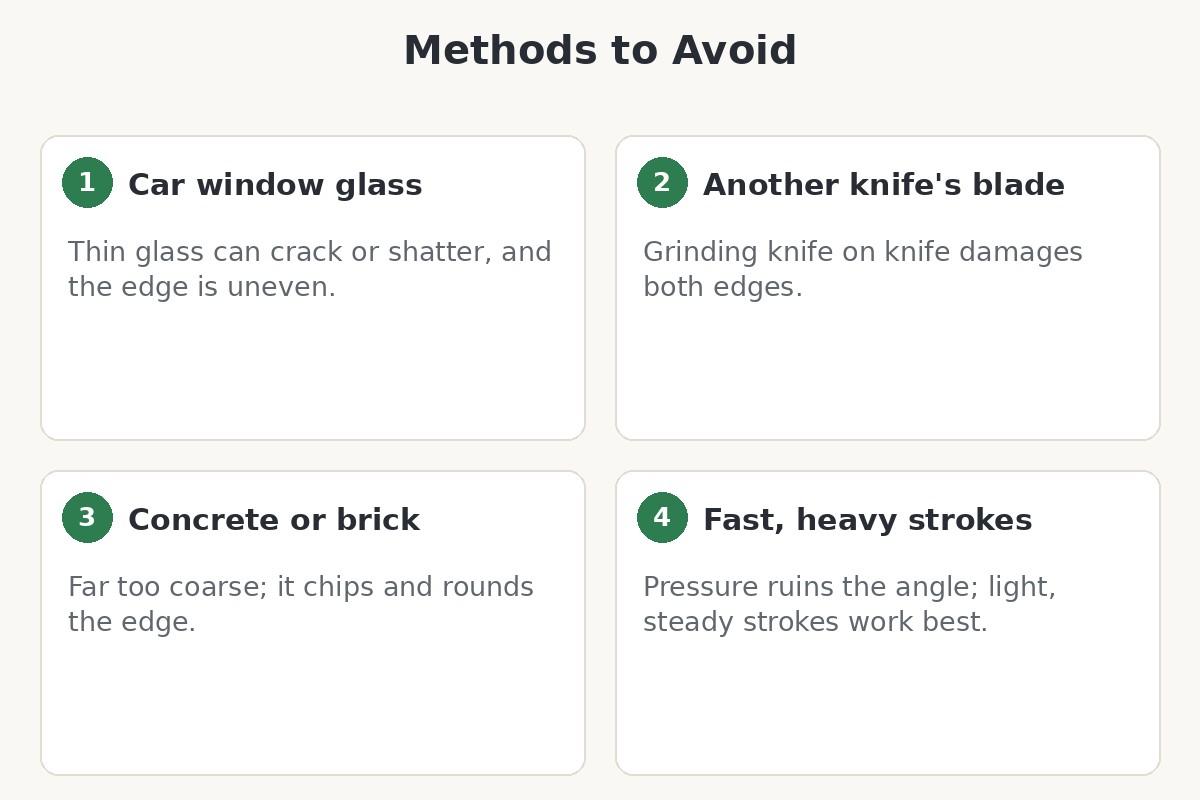
Some popular “hacks” do more harm than good. Car window edges are thin and can crack, and the glass isn’t designed as an abrasive.
Grinding one knife against another damages both edges. A honing steel is designed for this job; a second knife isn’t.
Concrete, bricks and paving slabs are far too coarse and uneven. They chip the edge and round the apex.
Honing Isn’t Sharpening
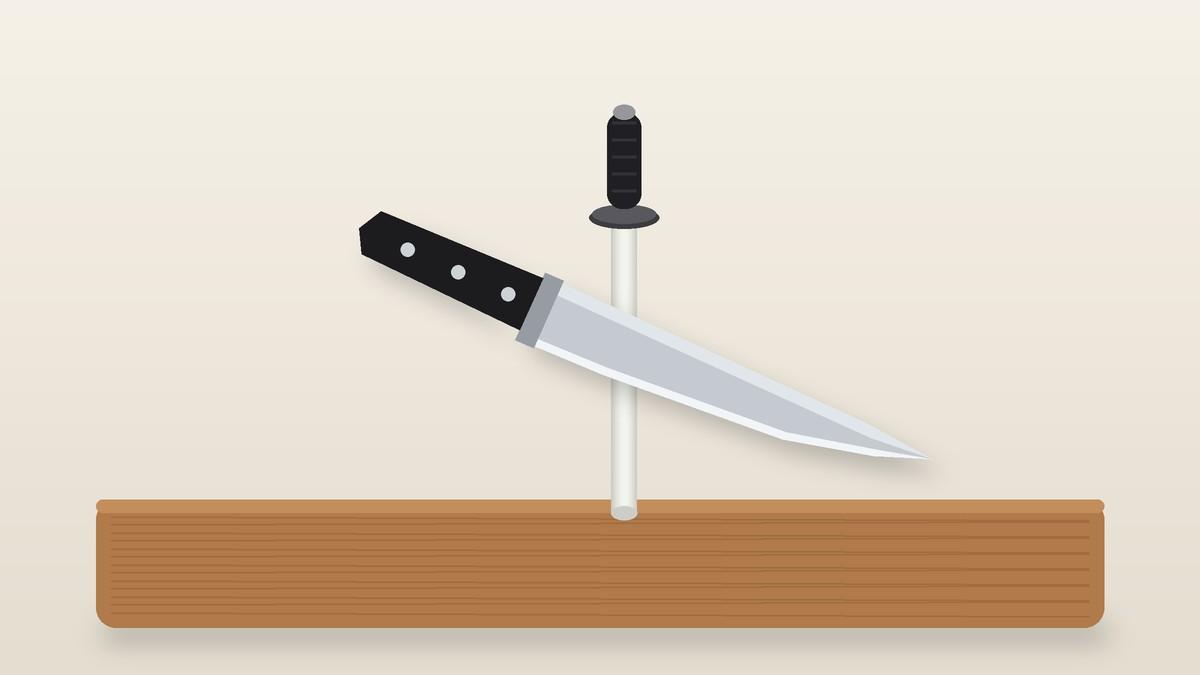
If you have a honing steel or ceramic rod, try it first. Honing realigns an edge that has bent over, which is often all a “dull” kitchen knife needs.
Wüsthof’s sharpening guide explains the difference: honing realigns the edge, while sharpening removes steel to create a new one. Our guide to sharpening kitchen knives with a rod shows the technique.
Safety First
- Steady the surface on a damp towel so nothing slides.
- Keep fingers behind the edge and above the work surface.
- Work slowly with light pressure; speed causes slips.
- Wipe the blade afterward to remove metal and ceramic dust.
- Test on paper or a tomato, never with your fingers.
The UK Health and Safety Executive’s guidance on safe knife use reminds cooks that sharp knives are safer than dull ones because they slip less, and that sharpening should be done carefully.
When to Get a Proper Sharpener
If you sharpen more than once or twice a year, a combination whetstone or a quality manual sharpener is worth buying. It’s faster, more consistent and kinder to your knives than improvised methods.
A 1000/6000 combination stone is a good first purchase, since it covers both sharpening and refining. Pair it with a simple strop and you’ll rarely need improvised methods again.
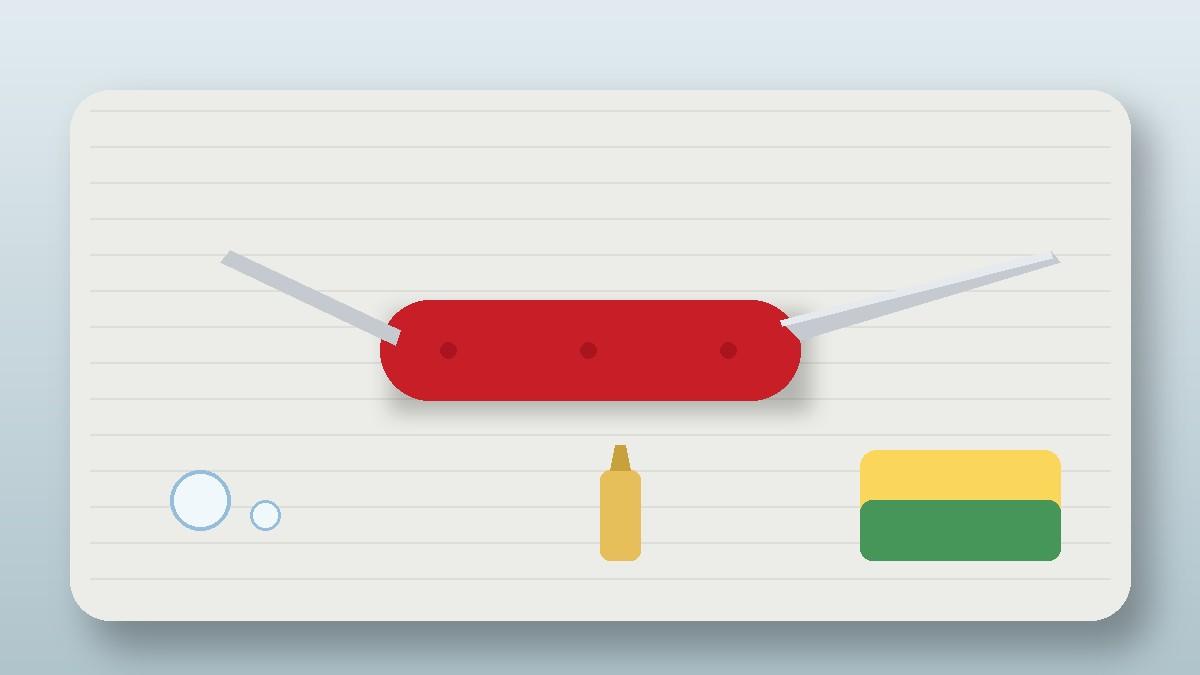
Small pocket knives can be sharpened the same way; see how to sharpen a small knife for tips on short blades.
Frequently Asked Questions
Can you really sharpen a knife on a mug?
Yes. The unglazed ring on the bottom is abrasive enough for a quick touch-up.
Does a leather belt sharpen a knife?
It strops and aligns an edge but doesn’t remove much steel, so it won’t fix a very dull knife.
What grit sandpaper should I use?
About 400 grit for a dull knife, then 1000 grit or finer to refine.
Is it OK to sharpen a knife on concrete?
No. It’s too coarse and uneven and will damage the edge.
What angle should I use?
About 15–20° per side for most kitchen and pocket knives.