Quick Summary
- Best breaking knife: Ultrasource 8-inch breaking knife for separating hindquarters and large muscles.
- Best small processing knife: Jero 4.5-inch small animal knife, built for commercial meat work.
- Best budget trimmer: Rada Stubby Butcher, a short American-made knife for trimming silver skin and fat.
- Best skinner: Outdoor Edge WildSkin, a fixed blade with a gut hook.
- Key point: deer processing needs two or three knife shapes, not one giant butcher knife.
Knives Task is reader-supported: if you buy through a link on this page, we may earn a small Amazon commission at no extra cost to you. That never changes which knives we recommend.
Processing your own deer saves money and gives you control over every cut. It also needs the right knives, because one big “butcher knife” can’t skin, bone and trim well.
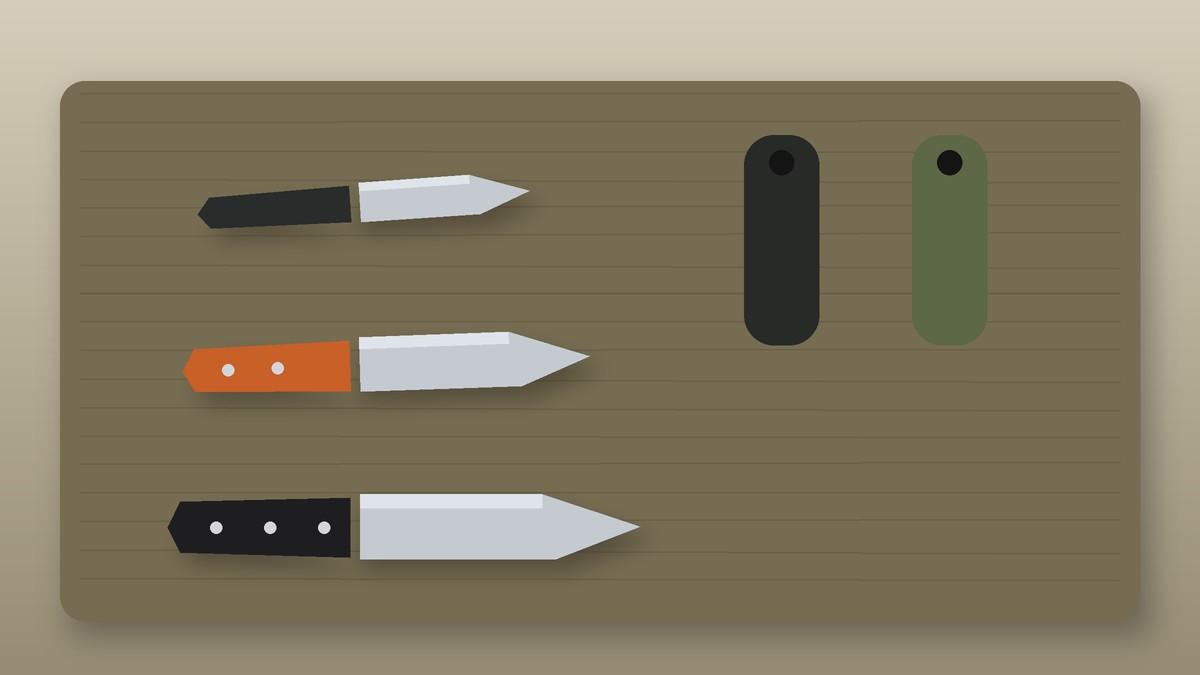
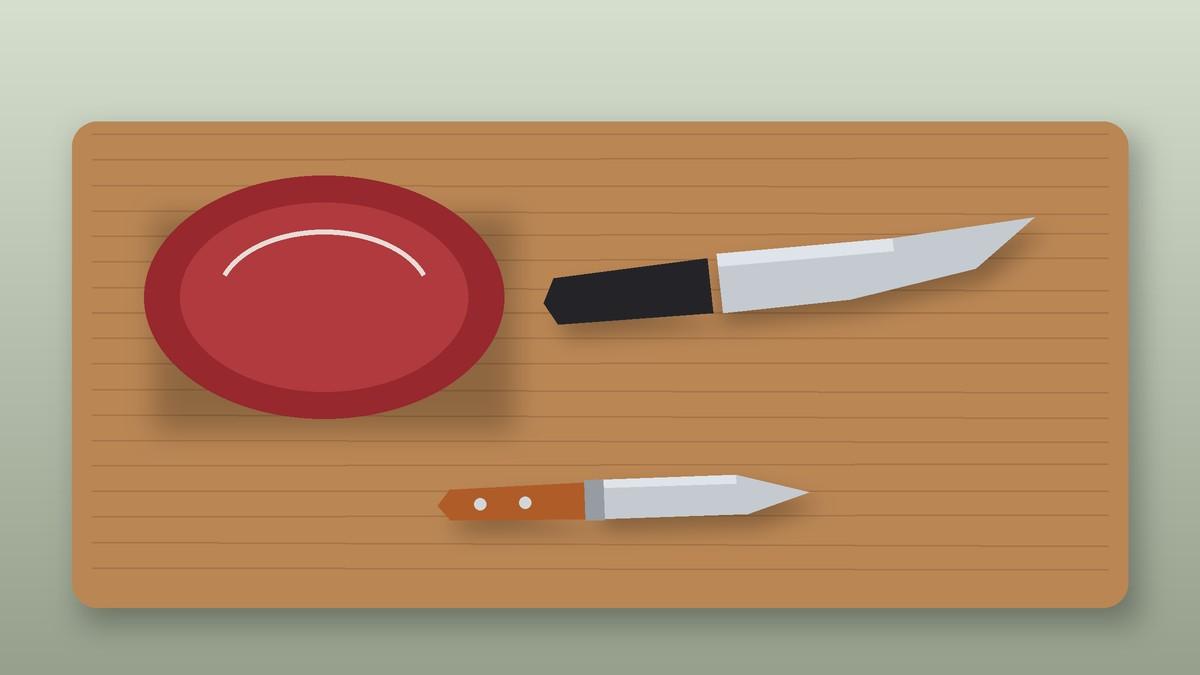
Most home processors use three shapes. A skinning knife removes the hide, a breaking or butcher knife separates large muscles, and a short, nimble knife trims fat and silver skin.
This guide picks six knives that cover those jobs. If you mainly need a boning knife, see our separate guide to the best boning knives for processing deer.
Our Picks at a Glance
| Knife | Job | Blade |
|---|---|---|
| Ultrasource 8-Inch Breaking Knife | Separating large muscles | 8 in, curved |
| Jero 4.5-Inch Small Animal Knife | Trimming and small cuts | 4.5 in |
| Rada Stubby Butcher | Trimming fat and silver skin | 5.38 in |
| Outdoor Edge WildSkin | Skinning | 4 in, gut hook |
| Outdoor Edge RazorPro | Field dressing | Replaceable blade + gut hook |
| Jero P3 Meat Processing Combo | Processing table kit | Multiple knives + scabbard |
How we chose: we haven’t lab-tested these knives side by side. We compared blade length and shape, steel, construction (forged or stamped), handle design and the makers’ published specifications, and we favored models with a long track record and consistent owner feedback over newer, unproven listings.
Specifications below come from the manufacturers’ listings. Prices change often, so check the current price before buying.
Which Knife Does Which Job?
| Stage | Knife shape | Why |
|---|---|---|
| Field dressing | Short drop point or gut hook | Opens the body without puncturing organs |
| Skinning | Curved skinning blade | Separates hide from meat with long strokes |
| Quartering and breaking | Breaking or butcher knife, 7 to 10 in | Follows seams between large muscles |
| Deboning | Boning knife, 5 to 6 in | Works close to bone and joints |
| Trimming | Short, nimble knife | Removes fat, silver skin and sinew |
A bone saw handles the few cuts that need to go through bone, such as the pelvis or ribs. Knives should cut meat, not bone.
The Best Butcher Knives for Deer
1. Ultrasource 8-Inch Breaking Knife — Best Breaking Knife
Best for: separating hindquarters, shoulders and backstraps into clean muscle groups.
A breaking knife has a long, curved blade that follows the natural seams between muscles. On a deer hindquarter, that lets you lift out the top round, bottom round, eye of round and sirloin tip cleanly.
Ultrasource supplies butcher shops and meat processors. Its listing describes a high-carbon molybdenum steel blade, a textured handle and front and rear safety bolsters.
This is the knife that speeds up processing the most. Once you’ve broken a quarter into muscles, trimming and portioning is easy.
What we like:
- Built for commercial meat work
- Curved blade follows seams
- Textured, easy-clean handle
What to consider:
- Too big for detailed trimming
- Not for the field
Check the current price of the Ultrasource 8-inch breaking knife on Amazon →
2. Jero 4.5-Inch Small Animal Knife — Best Small Processing Knife
Best for: trimming, cleaning up cuts and working around small joints.
Jero makes knives for the meat-processing and food-service industries. This 4.5-inch knife has a high-carbon German stainless blade and a polymer handle, according to its listing, and Jero lists a lifetime warranty.
A short blade gives excellent control when you’re removing sinew from a backstrap or cleaning up stew meat. It’s also handy for small game like rabbits and squirrels.
Commercial-style handles can be scrubbed and sanitized easily, which matters when you’re working with a lot of raw meat.
What we like:
- Commercial processing design
- Great control
- Easy to sanitize
What to consider:
- Short blade is slow on big cuts
- Plain looks
Check the current price of the Jero 4.5-inch small animal knife on Amazon →
3. Rada Cutlery Stubby Butcher — Best Budget Trimmer
Best for: an inexpensive, short knife for trimming fat and silver skin.
Rada makes its knives in the USA, and the Stubby Butcher has a short 5.38-inch blade with a slight curve, according to its listing. Rada describes the steel as T420 high-carbon stainless and offers a lifetime guarantee.
The short, wide blade is easy to control for trimming fat and silver skin from venison. Venison fat can taste strong, so careful trimming improves the meat.
This version has a silver aluminum handle, which Rada recommends hand washing. It’s a low-cost knife that earns its place on the processing table.
What we like:
- Low price
- Made in the USA
- Easy to control
What to consider:
- Aluminum handle isn’t dishwasher-safe
- Not a breaking knife
Check the current price of the Rada Stubby Butcher knife on Amazon →
4. Outdoor Edge WildSkin — Best Skinner
Best for: skinning deer in the field or hanging in the garage.
The WildSkin is a fixed-blade skinning knife with a 4-inch blade and a built-in gut hook. The curved blade suits long skinning strokes, and the gut hook opens the hide without cutting into the meat.
Fixed blades are easier to clean thoroughly after field dressing than folding knives. A sheath keeps it protected between uses.
If you hang deer before processing, a good skinner makes removing the hide much faster and cleaner.
What we like:
- Gut hook built in
- Easy-to-clean fixed blade
- Sheath included
What to consider:
- Single-purpose
- Needs sharpening after a full deer
Check the current price of the Outdoor Edge WildSkin on Amazon →
5. Outdoor Edge RazorPro — Best Field-Dressing Knife
Best for: hunters who want a fresh edge for field dressing without sharpening.
The RazorPro is a folding knife with a replaceable main blade and a separate gut-hook blade. When the edge dulls, you swap in a fresh blade in seconds.
That’s useful in the field, where cold hands and failing light make sharpening difficult. The black model is sold with six blades and a sheath.
Replaceable blades are thin, so use them for cutting, not prying or splitting bone.
What we like:
- Fresh edge in seconds
- Gut hook blade
- Compact for the field
What to consider:
- Ongoing blade cost
- Not for bone work
Check the current price of the Outdoor Edge RazorPro on Amazon →
6. Jero P3 Meat Processing Combo — Best Processing Table Kit
Best for: hunters who process several deer a season and want commercial-style tools together.
This combo pairs Jero processing knives with a scabbard that keeps knives at your side while you work. It suits people who process enough meat to want a proper setup.
Having the knives in one place saves time and keeps blades off the cutting table, where they’re easy to knock off. Check the listing for the exact knives included.
It’s a sensible upgrade once you know you’ll be processing your own deer every year.
What we like:
- Commercial heritage
- Scabbard keeps knives handy
- Good for higher volume
What to consider:
- Built for the table, not the field
- More than occasional hunters need
Check the current price of the Jero P3 meat processing combo on Amazon →
How to Break Down a Deer Hindquarter
The hindquarter holds most of the steaks and roasts. A breaking knife and a short trimming knife make it straightforward.
- Remove the shank: cut through the joint at the knee and set the shank aside for braising or grinding.
- Find the seams: look for the thin membranes between muscles and follow them with the tip of the breaking knife.
- Separate the muscles: lift out the top round, bottom round, eye of round and sirloin tip one at a time.
- Trim: use a short knife to remove fat, silver skin and any bloodshot meat.
- Portion and wrap: cut steaks against the grain and wrap tightly to prevent freezer burn.
Backstraps and Tenderloins
The backstraps run along either side of the spine and are the most prized cuts on a deer. Cut down along the spine with a boning or breaking knife, then follow the ribs outward to lift each strap in one long piece.
The small tenderloins sit inside the body cavity under the spine. Remove them early, before they dry out, and trim off the silver skin with a short knife.
Front Shoulders
The front shoulders aren’t attached by bone, so they come off by cutting through the muscle behind the shoulder blade. Shoulder meat has lots of connective tissue, which makes it best for grinding, stew or slow braising.
A short trimming knife is the most useful tool here. Work around the shoulder blade and remove as much sinew as you can before grinding.
Food Safety When Processing Venison
Keep meat cold throughout processing, and work in small batches if your kitchen or garage is warm. Wash hands, knives and boards often, especially when switching between tasks.
Sanitize knives and cutting surfaces when you finish. Our guide to when a knife must be cleaned and sanitized explains how.
Safety at the Processing Table
- Wear a cut-resistant glove on the hand that holds the meat.
- Keep knives sharp: dull blades slip on silver skin and need more force.
- Cut away from yourself and keep your free hand behind the blade.
- Use a stable surface: a heavy board on a damp towel won’t slide.
- Use a saw for bone: don’t twist or hammer a knife through joints.
- Keep the table clear: put knives in a scabbard or rack, not loose among the meat.
Keeping Your Knives Sharp Through a Deer
Deer hair and hide dull an edge quickly. Hone your knives every few minutes during skinning and processing, and keep a pocket sharpener handy in the field.
After the season, sharpen everything properly before storing. See how to sharpen a butcher knife for a step-by-step guide.
Do You Need a Cleaver?
A cleaver isn’t essential for deer, because most cuts follow seams rather than bone. A bone saw is safer and more precise for the pelvis, ribs and neck.
Some hunters like a cleaver for cutting ribs or shanks into pieces. If you do use one, keep it for bone and use your knives for meat.
Many hunters skip the ribs altogether and trim the rib meat off for grinding instead. That avoids bone cutting entirely and needs nothing more than a short, sharp knife.
Choosing Your Deer Processing Kit
Start with a skinner, a breaking knife and a short trimming knife. Add a boning knife if you debone most of your meat.
- Once-a-year hunter: RazorPro for the field, Ultrasource breaking knife and Rada Stubby Butcher at home.
- Several deer a season: add the Jero small animal knife and the Jero P3 combo.
- Hang and skin at home: add the WildSkin.
Frequently Asked Questions
What is the best butcher knife for deer?
For breaking down quarters, a curved breaking knife like the Ultrasource 8-inch. Pair it with a short trimming knife and a skinner.
What knives do I need to process a deer?
A skinning knife, a breaking or butcher knife, a boning knife and a short trimming knife, plus a bone saw.
Can I use a kitchen knife to process a deer?
A sharp boning knife and chef’s knife can manage, but dedicated breaking and skinning knives make the job faster and safer.
What blade length is best for deer?
Around 4 inches for skinning, 5 to 6 inches for boning and trimming, and 7 to 10 inches for breaking large muscles.
Do I need a gut hook?
It isn’t essential, but it makes opening the hide cleaner and reduces the risk of puncturing organs.
How do I keep my knives sharp while processing?
Hone every few minutes during skinning and processing, and keep a pocket sharpener or honing rod nearby.