Quick Summary
- Know your stone type first: water stones, oil stones and diamond plates are cleaned differently.
- Never switch lubricants: once an oil stone has had oil, keep using oil; don’t put oil on a water stone.
- Water stones clean up with water, a soft brush and occasional flattening.
- Oil stones clean best with fresh honing oil to float out metal particles, then a wipe-down.
- Avoid boiling stones or harsh solvents; sudden heat and chemicals can crack or damage them.
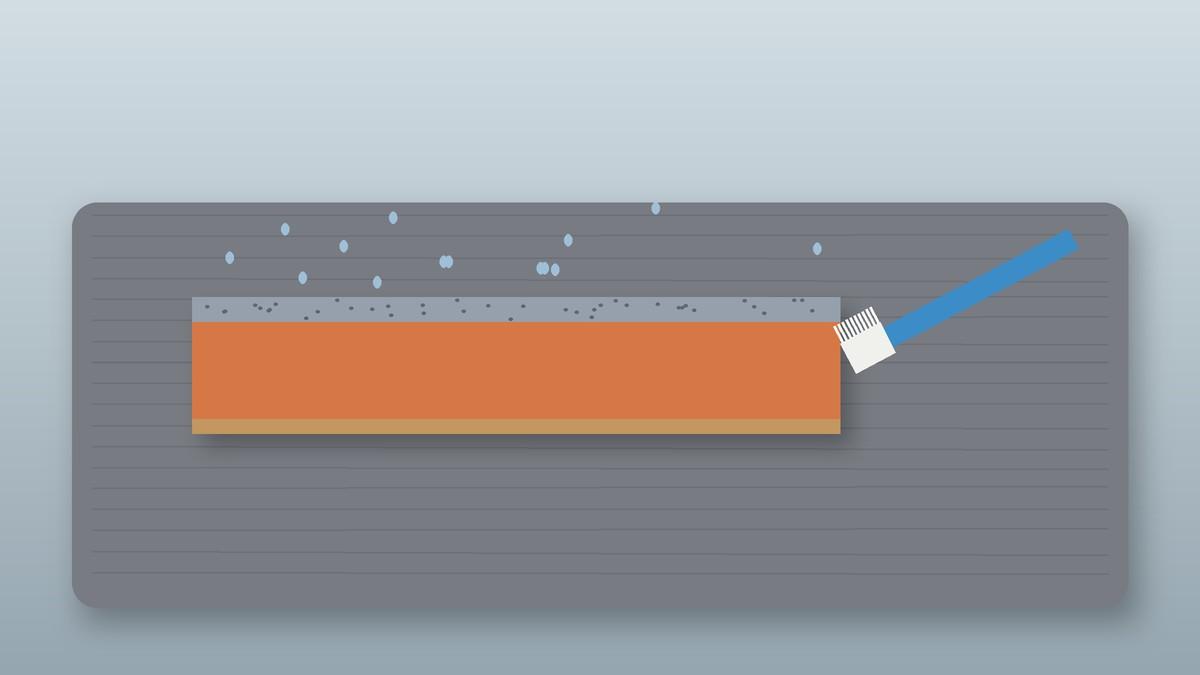
Every time you sharpen, tiny particles of steel and abrasive (called swarf) collect on the stone. Over time they clog the surface, which turns shiny and gray and stops cutting well.
Cleaning restores the stone’s bite. The right method depends on what kind of stone you have.
Identify Your Sharpening Stone
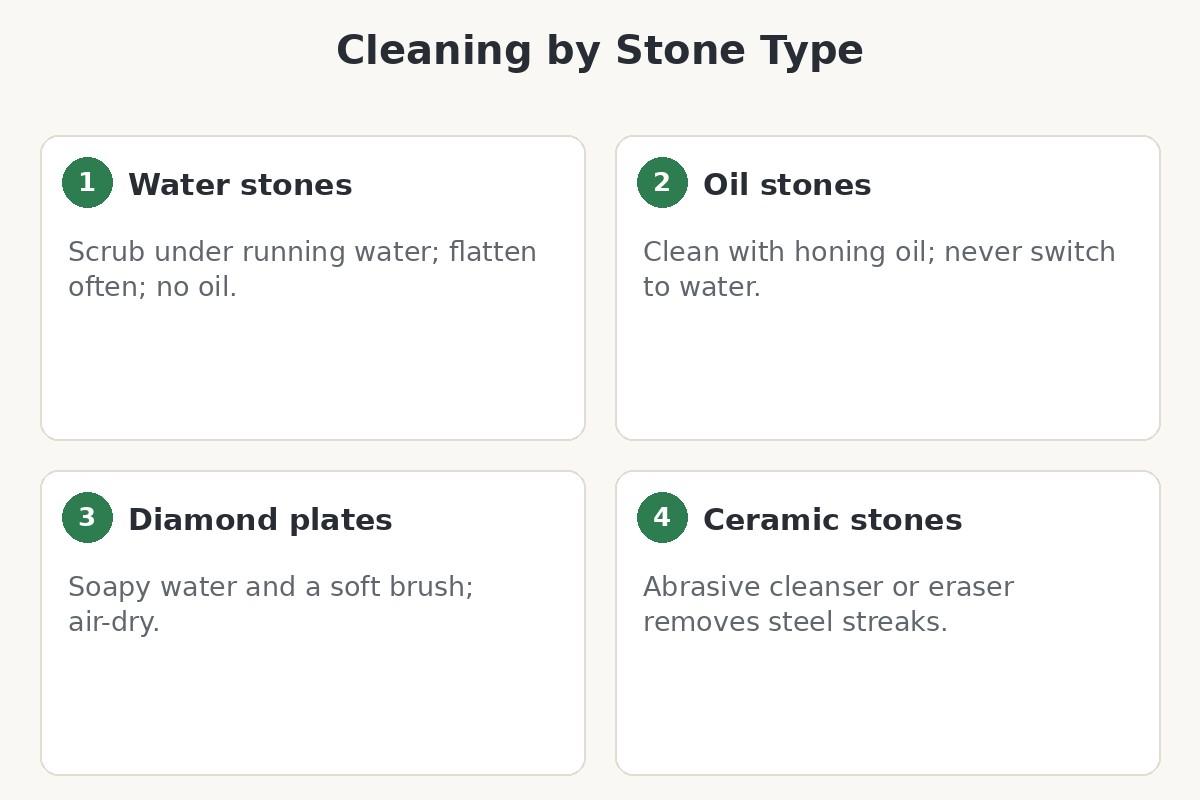
| Stone type | Lubricant | Cleaning method | Avoid |
|---|---|---|---|
| Water stone (whetstone) | Water | Rinse, scrub with a soft brush, flatten regularly | Oil, dishwasher, freezing |
| Oil stone (Arkansas, India, Crystolon) | Honing oil | Fresh oil to float swarf, wipe, degrease with dish soap if needed | Switching to water, boiling |
| Diamond plate | Water (or dry) | Rinse, scrub with soapy water and a soft brush, dry fully | Heavy pressure, storing wet |
| Ceramic stone | Usually dry or water | Scrub with a cleanser and a scouring pad | Dropping, oil (unless the maker allows it) |
If you’re not sure, check the maker’s instructions or the box. Many cheap two-sided stones sold for home kitchens are water stones.
How to Clean a Water Stone
Water stones are the most common type for kitchen knives. They’re soft enough to release fresh abrasive as you sharpen, which also means they wear and need flattening.
Step 1: Rinse During and After Sharpening
Keep the surface wet while sharpening, and add water whenever it starts to dry. The gray slurry that forms is normal and helps sharpening.
When you finish, rinse the stone under running water while scrubbing gently with a soft brush or non-scratch sponge.
Step 2: Remove Stubborn Deposits
If metal particles are stuck in the surface, a quick rub with a flattening plate or a nagura stone lifts them out. A drop of mild dish soap can also help.
Step 3: Dry Slowly at Room Temperature
Let the stone air-dry on a rack before storing it. Don’t dry it in an oven or in direct sun, and never let a soaked stone freeze, because trapped water can crack it.
How to Flatten a Water Stone
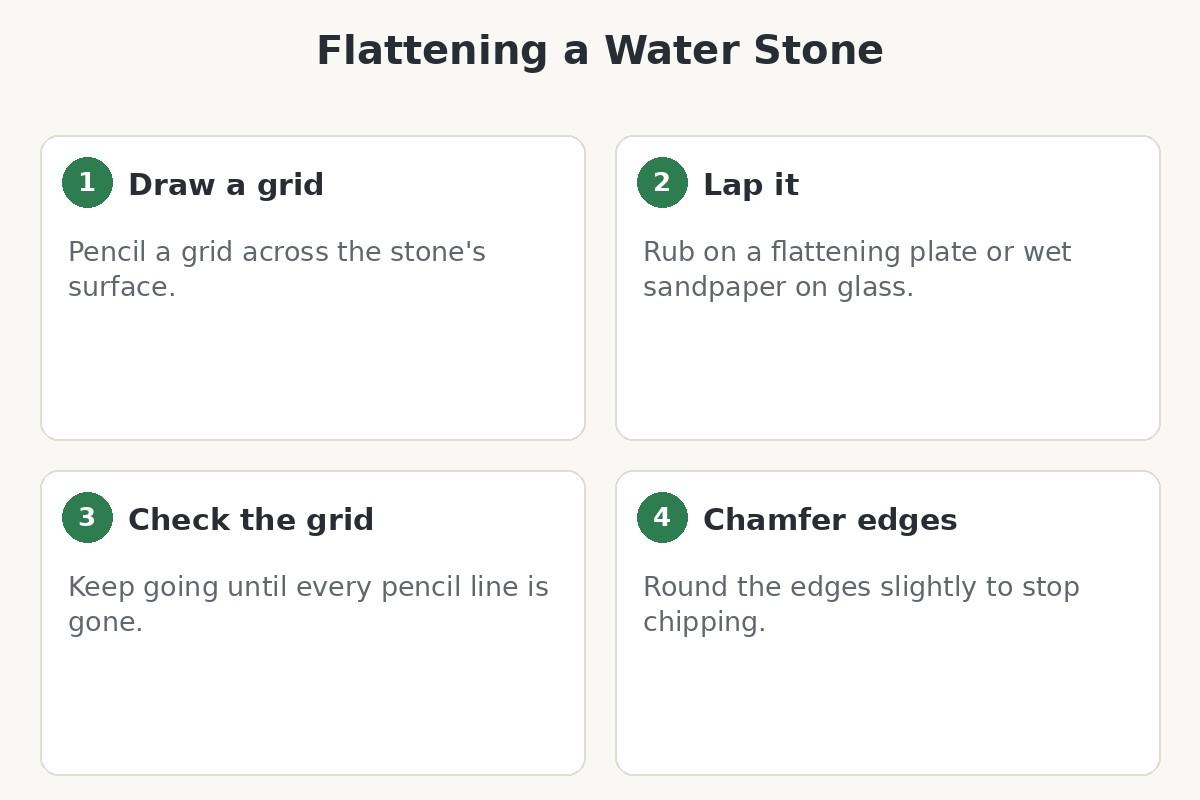
Water stones wear unevenly and develop a dip in the middle, known as dishing. A dished stone makes it hard to hold a steady angle and can round your knife’s edge.
- Draw a pencil grid across the wet stone surface.
- Rub the stone on a flattening plate, a coarse diamond plate or wet-and-dry sandpaper on a flat glass sheet.
- Keep going until all the pencil lines have disappeared.
- Chamfer the edges lightly so they don’t chip.
- Rinse well to remove loose grit before sharpening.
How often you flatten depends on use. A light touch-up every few sharpening sessions is easier than fixing a badly dished stone.
How to Clean an Oil Stone
Oil stones such as Arkansas, India and Crystolon stones use honing oil to carry swarf away. Once a stone has had oil on it, keep using oil, because water won’t soak into an oil-filled surface.
To clean it, apply a generous amount of fresh honing oil and rub it in small circles. The oil floats metal particles out of the pores, and the dirty oil can then be wiped away with a paper towel.
Repeat until the towel comes away fairly clean. For a very gummy stone, scrub with warm water and dish soap to degrease it, then let it dry fully before oiling again.
Woodworking reference site WOODWEB’s notes on maintaining sharpening stones share a range of practical cleaning tips from experienced users. Home guide Hunker’s walkthrough on cleaning a sharpening stone also recommends sticking with the same lubricant you started with.
How to Clean a Diamond Plate
Diamond plates don’t wear or dish like natural or synthetic stones, but swarf can still build up between the diamonds. Use water as a lubricant and rinse the plate as you work.
After use, scrub with warm soapy water and a soft nylon brush, rinse, and dry completely before storing. The steel backing can rust if it’s left damp.
Sharpening Supplies’ guide to maintaining a DMT diamond sharpener also warns against pressing too hard, which wears the diamonds faster.
How to Clean a Ceramic Stone
Ceramic stones and rods are very hard, so they rarely wear, but they load up quickly with gray metal streaks. Many are designed to be used dry.
To clean one, scrub it with a powdered household cleanser and a scouring pad under running water, then rinse and dry. A mild oxalic-acid cleanser such as Bar Keepers Friend also lifts metal marks well.
Check the maker’s instructions first, because a few ceramic stones are meant to be used with water.
How to Store a Sharpening Stone
Good storage keeps a clean stone clean. Let it dry completely, then keep it in its box or on a shelf where it can’t be knocked off.
- Keep stones apart or separated with a cloth so their faces don’t rub together.
- Store away from frost and extreme heat, which can crack water stones.
- Keep oil stones covered so dust doesn’t stick to the oily surface.
- Store diamond plates dry to protect the steel backing.
Mistakes That Damage Sharpening Stones
| Mistake | Why it’s a problem |
|---|---|
| Boiling the stone | Rapid heating can crack stones, especially resin-bonded ones |
| Using WD-40 or harsh solvents | Can clog pores or affect the bond, and isn’t meant for food tools |
| Putting oil on a water stone | Seals the surface so water can’t work |
| Scrubbing with coarse steel wool | Scratches the surface and leaves metal fibers |
| Storing water stones wet in a closed box | Encourages mold and cracking |
| Pressing too hard on diamond plates | Wears the diamonds off prematurely |
Our older version of this article suggested boiling stones and cleaning with WD-40 and steel wool. We no longer recommend these methods, because gentler options work just as well without the risk.
How Often Should You Clean a Sharpening Stone?
- After every session: rinse or wipe off swarf and dry the stone.
- Every few sessions: deeper clean and check for dishing on water stones.
- When it looks glazed: a shiny gray surface that no longer bites means it’s time for a thorough clean.
New to whetstones? Read our guides on how to sharpen kitchen knives with a stone, which whetstone grit to use and what angle to sharpen kitchen knives.
Frequently Asked Questions
Can I clean a whetstone with soap?
Yes, a little mild dish soap and water is fine for water stones and diamond plates.
How do I know my stone needs cleaning?
It looks shiny or dark gray and feels slick, and your knife no longer seems to be cutting into it.
Can I use water on an oil stone?
Not once it has been oiled; keep using honing oil so the surface works properly.
Should I boil a sharpening stone to clean it?
No, sudden heat can crack the stone; use oil, soap and water instead.
How often should I flatten a water stone?
Check it every few sessions and flatten as soon as you notice a dip in the middle.