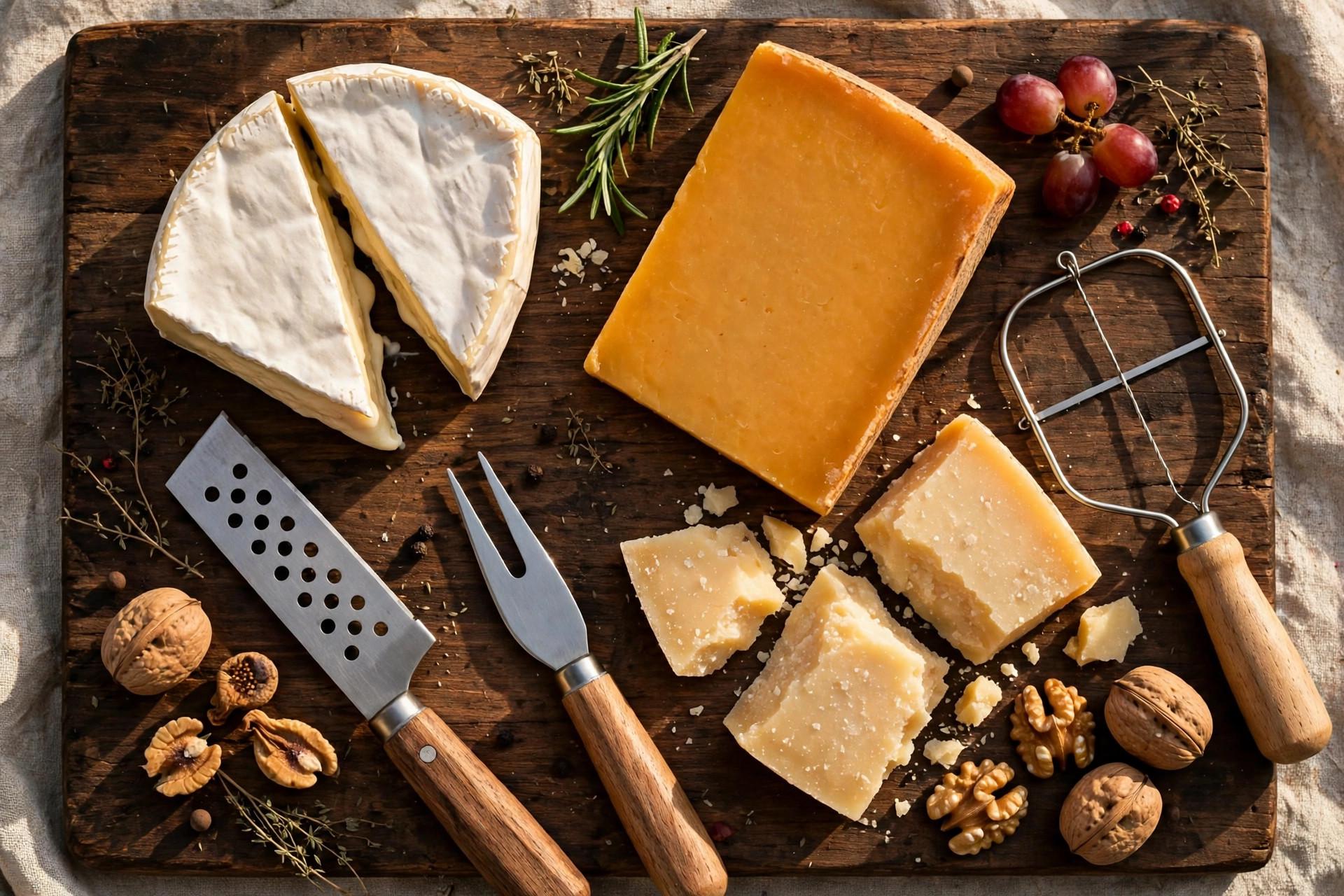
Wondering what knife to cut cheese with? The honest answer is that it depends on texture. Soft, semi-hard, hard and crumbly cheeses each behave differently under a blade, so each one cuts best with a different cheese knife.
Serving a cheese board is a lovely way to entertain family and friends at home. However, using the wrong knife can easily squash soft cheeses or cause hard blocks to crumble everywhere.
Choosing the correct cheese knife keeps your slices looking neat and stops different cheese flavours from mixing together. Matching the blade design to the texture of the cheese makes slicing effortless.
This guide explains the main types of cheese knives, how to use them, and how to look after them properly. It will help you choose the right tool for every cheese variety on your board.
Quick Answer: What Knife to Cut Cheese of Each Type
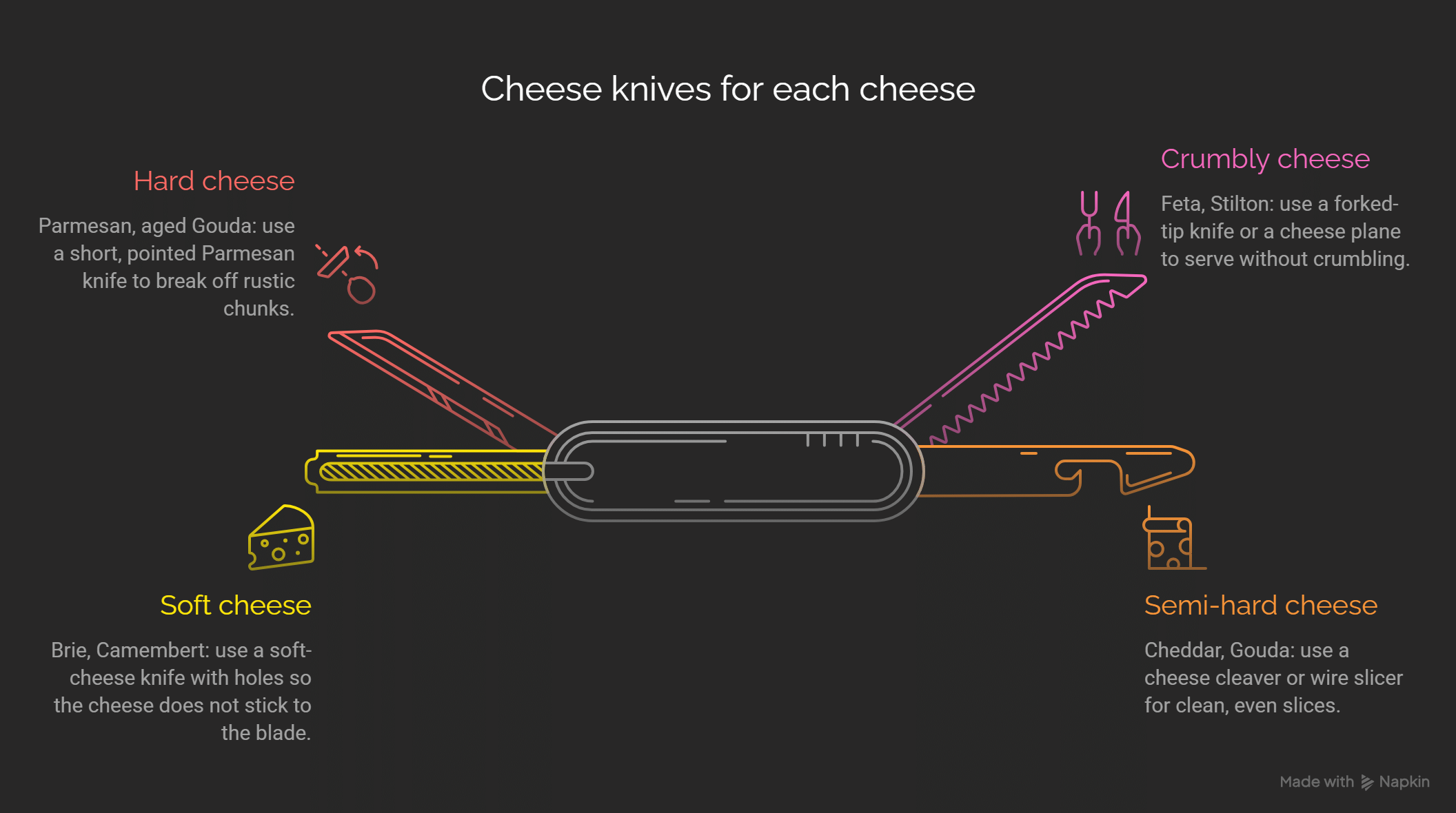
- Soft Cheeses (Brie, Camembert): Use a soft-cheese knife with holes or a wire cheese slicer to prevent sticking.
- Semi-Hard Cheeses (Cheddar, Gouda): Use a thin-blade knife or a pronged cheese knife for clean slices.
- Hard Cheeses (Parmesan, Pecorino): Use a short spade or chisel knife to pry off rustic chunks.
- Spreadable Cheeses (Goat Cheese, Cream Cheese): Use a rounded cheese spreader to smooth cheese onto crackers.
- Crumbly & Blue Cheeses (Stilton, Feta): Use a wire slicer or narrow knife to divide delicate paste cleanly.
- Processed Cheeses (Velveeta, American): Use a wire slicer or skeleton knife, as sticky processed cheese clings to solid blades.
Why a Normal Kitchen Knife Struggles with Cheese
Standard kitchen knives often fail when cutting through different types of cheese. A regular chef’s knife has a broad blade that creates a large amount of surface contact with the cheese. When slicing soft cheeses like Brie, this surface friction causes the sticky paste to cling to the blade and drag.
Dragging a thick blade through soft cheese squashes the delicate centre and tears the rind apart. Conversely, forcing a normal knife through dense hard cheeses can cause the blade to flex or slip dangerously.
Dedicated cheese knives solve these exact problems through clever design features. Thin blades, open perforations, and sturdy short handles reduce drag and give you proper control.
The Main Types of Cheese Knives
Soft-Cheese Knife (with Holes / Perforated Blade)
A soft-cheese knife features open holes along the blade. These perforations reduce the surface area touching the cheese paste. Less contact means soft cheeses like Camembert do not stick or tear as you slice.
Forked-Tip Cheese Knife
A forked-tip cheese knife has a narrow blade with two prongs at the tip. The slim edge cuts cleanly through semi-soft or semi-firm cheeses like Monterey Jack. The prongs let you spear each portion and transfer it to a plate.
Cheese Cleaver
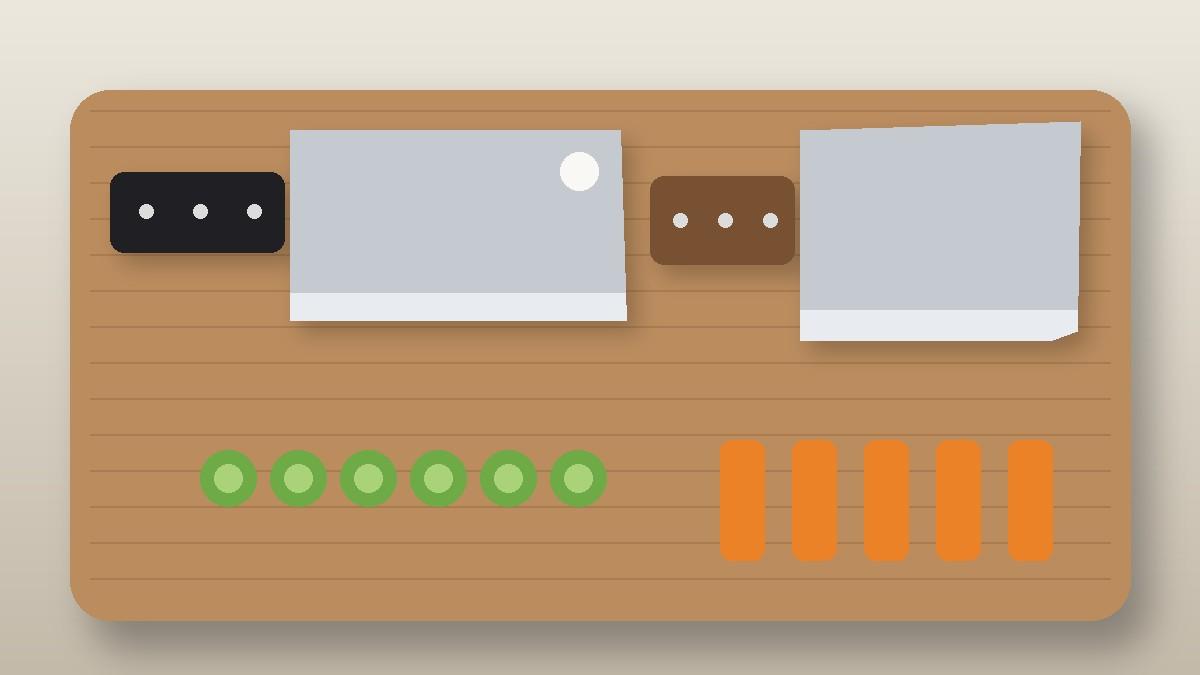
A cheese cleaver has a short, wide rectangular blade with a thick spine. This heavy shape lets you push straight down with firm pressure without flexing the steel. It is ideal for dividing firm cheeses like aged Cheddar or Gouda into blocks.
Wire Cheese Slicer
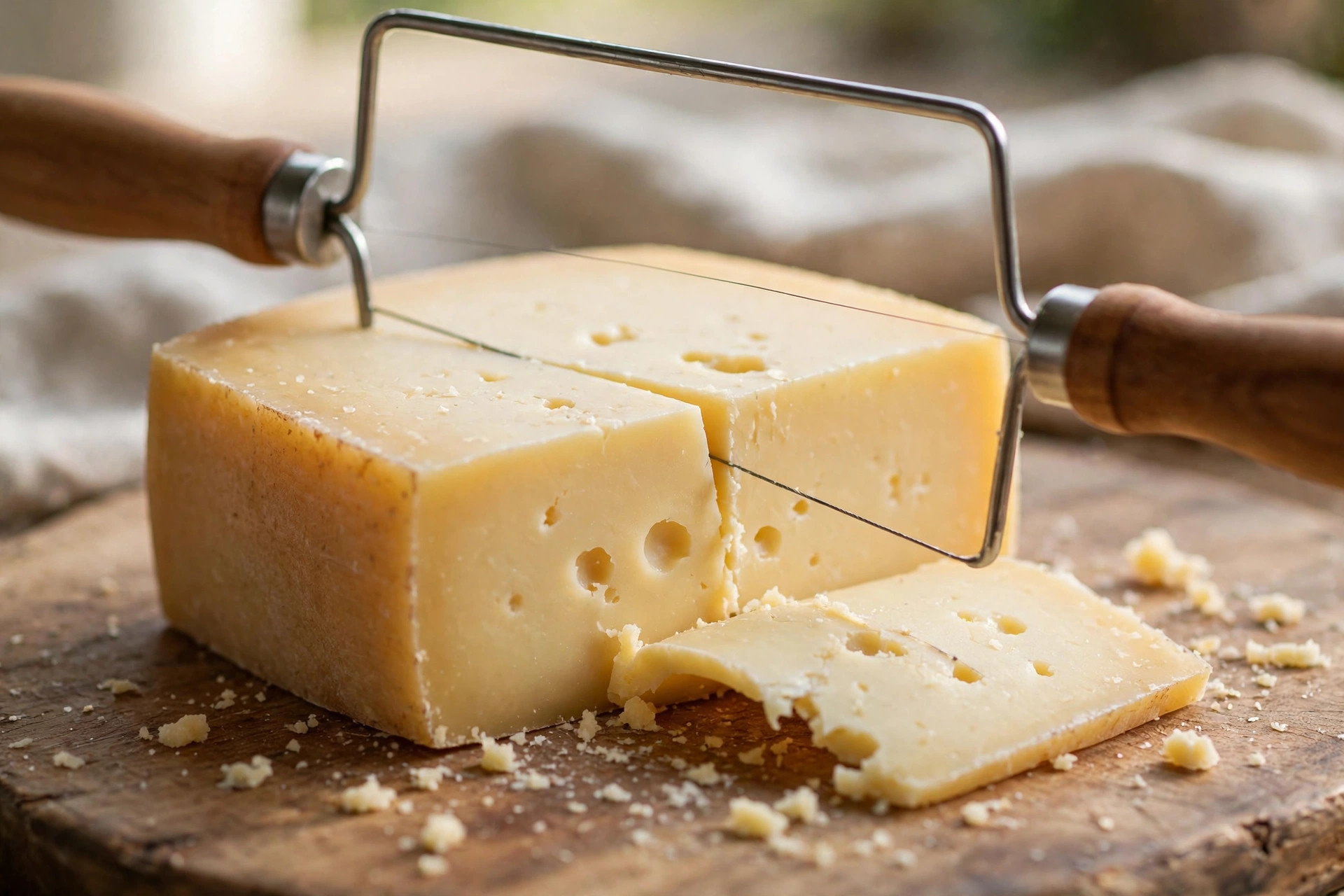
A wire cheese slicer uses a taut stainless steel wire stretched across a frame instead of a metal blade. Because the thin wire creates almost no friction, it glides through soft cheeses without squashing them. Wire slicers produce uniform slices and are gentle on delicate cheeses.
Hard Cheese Knife and Parmesan Knife
Hard cheeses like Parmigiano-Reggiano or Pecorino are broken into chunks rather than sliced. A Parmesan knife features a short, spade-like blade with a sharp, pointed tip. Driving the pointed tip into the cheese and twisting pops off rustic chunks along natural fault lines.
Thin-Blade Cheese Knife
A thin-blade cheese knife has a narrow profile designed to slice cleanly through semi-hard cheeses. The slim blade moves smoothly through Gouda or Havarti with minimal resistance. Offset handles raised above the blade line also protect your knuckles.
Cheese Plane (Cheese Slicer)
A cheese plane looks like a small spatula with a sharp slot cut across the middle. You pull it flat across the top of a block and it shaves off thin, even ribbons. It is the tool of choice for semi-hard cheeses such as Gouda, Edam, Jarlsberg and Havarti, where a wafer-thin slice melts on the tongue and releases more aroma than a thick chunk. The plane was patented in Norway in 1925, and the history of cheese knives and slicers shows how many regional tools grew from the same idea.
Cheese Spreader and Gorgonzola Knife
Some cheeses are better spread than sliced. A cheese spreader has a short, rounded, blunt blade that scoops and smears fresh cheeses like ricotta, cream cheese, Boursin and soft goat cheese. A Gorgonzola knife looks similar but has one sharpened edge, so it can break through the rind of a creamy blue before spreading the paste onto bread or crackers.
Flat (Chisel) Knife and Girolle
A flat cheese knife, also called a chisel knife, has a wide paddle blade with a sharp bottom edge. You hold it upright and push straight down to chip slices off aged cheeses such as Manchego, Asiago and Swiss. A girolle is far more specialised: it turns on a central spike and scrapes Tête de Moine into thin rosettes. Most home cooks will never need one, but it explains why cheesemongers match the tool to the cheese so carefully.
Which Knife for Which Cheese?
Choosing the right tool depends on the hardness and texture of the cheese. Soft cheeses need blades with minimal surface area to prevent sticky paste clinging. Firm cheeses need strong blades or taut wires that handle resistance without slipping.
Crumbly cheeses like Stilton or feta can be tricky to divide without shattering. A handheld wire cutter glides through delicate crumbly paste cleanly without disturbing the structure. Alternatively, a narrow knife or chisel can be used with shallow pressure to divide crumbly blocks.
Processed cheeses, such as Velveeta or American blocks, are notoriously sticky. Historically, specialised skeleton knives with cutouts were invented to stop soft processed cheeses smearing. A wire slicer or flexible spreader also works well for slicing cold processed blocks or smearing spreads.
| Knife Type | Best For | Why It Works |
|---|---|---|
| Soft-Cheese Knife | Brie, Camembert, Mozzarella | Holes in blade reduce contact and stop sticky paste clinging. |
| Forked-Tip Knife | Cheddar, Gouda, Monterey Jack | Slices semi-firm textures cleanly and lets you spear pieces. |
| Cheese Cleaver | Aged Cheddar, Asiago, Fontina | Wide blade allows straight downward pressure without flexing. |
| Wire Cheese Slicer | Havarti, Young Gouda, Chèvre | Taut wire creates minimal drag and prevents soft interiors squashing. |
| Parmesan / Spade Knife | Parmigiano-Reggiano, Pecorino | Pointed stub prys open dense cheeses into natural chunks. |
| Cheese Spreader | Cream Cheese, Ricotta, Spreads | Blunt, rounded blade easily smooths soft cheeses onto crackers. |
| Wire / Skeleton Knife | Processed Cheese (e.g. Velveeta) | Perforated blades or wires reduce friction so sticky cheese does not smear. |
Can You Use a Chef’s Knife Instead?
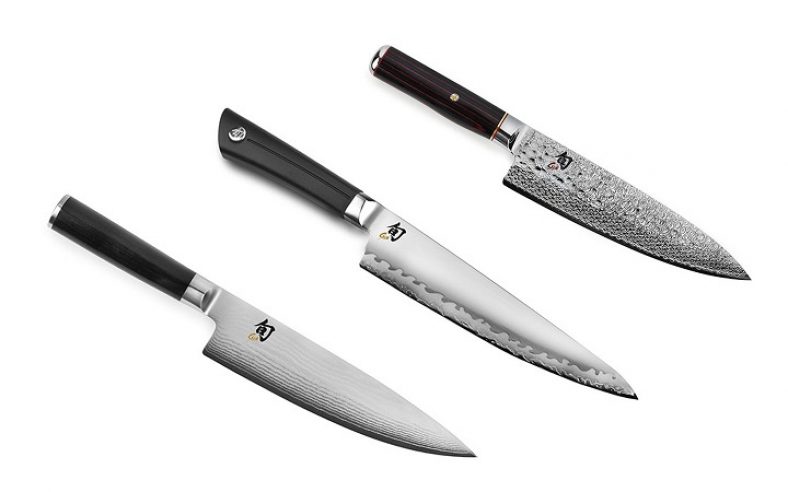
Yes, you can use a standard chef’s knife if you do not own a specialised cheese knife set. A sharp chef’s knife works well for breaking down large wedges or blocks of firm cheeses like Cheddar.
However, a chef’s knife is far from ideal for soft or sticky cheeses. The broad blade creates suction, causing soft Brie or goat cheese to stick and smear across the board.
If you must use standard kitchen cutlery, use a small paring knife for firm cheeses and a narrow utility knife for softer ones. Warming firm cheese slightly before slicing helps standard blades move smoothly.
How to Cut and Serve Common Cheeses Neatly
To present cheese neatly, always aim to distribute both the flavourful rind and the creamy centre fairly in every portion. Cheese ripens from the outside rind inward, meaning flavour is often strongest near the edge.
For round wheels of soft cheese like Brie, cut wedges from the centre outward like a pizza slice. Never cut off the pointed tip or nose of a soft wedge, as that holds the best texture.
For rectangular blocks of Cheddar, slice the block in half first and then cut crosswise into thin rectangles or triangles. For hard cheeses like Parmesan, drive a spade knife tip into the block and twist to break off bite-sized shards.
Always bring your cheeses to room temperature about 30 to 60 minutes before serving. Cold temperatures mute the natural fats and flavours of the cheese, while room temperature brings out its best taste.
How to Cut Cheese by Shape: Wheels, Wedges, Blocks and Logs
Knowing what knife to cut cheese with is half the job. The other half is the direction of the cut, because flavour changes from the rind to the centre. As the Castello cheese knife guide points out, the goal is for every guest to taste each part of the cheese.
- Wheels: find the centre and cut outward like the spokes of a bicycle wheel. Each triangle gets rind, cream line and core. Halve large wheels first to make them easier to handle.
- Soft wedges: slice long strips along the length of the wedge, from the nose to the rind, so nobody is left with only the rind.
- Hard wedges: cut across the width until you are halfway up, then cut the remaining top half lengthwise into sticks.
- Blocks: cut the block in half, slice each half crosswise, then cut the slices on the diagonal if you want triangles.
- Logs: slice straight down into discs. A cheese wire or a thin blade dipped in hot water gives the cleanest rounds of goat cheese.

Parmigiano-Reggiano is the exception to all of these rules. It should be broken, never sliced. Push the tip of an almond-shaped Parmesan knife into the cheese and twist, and the piece will split along its natural grain and keep its crumbly, crystalline texture.
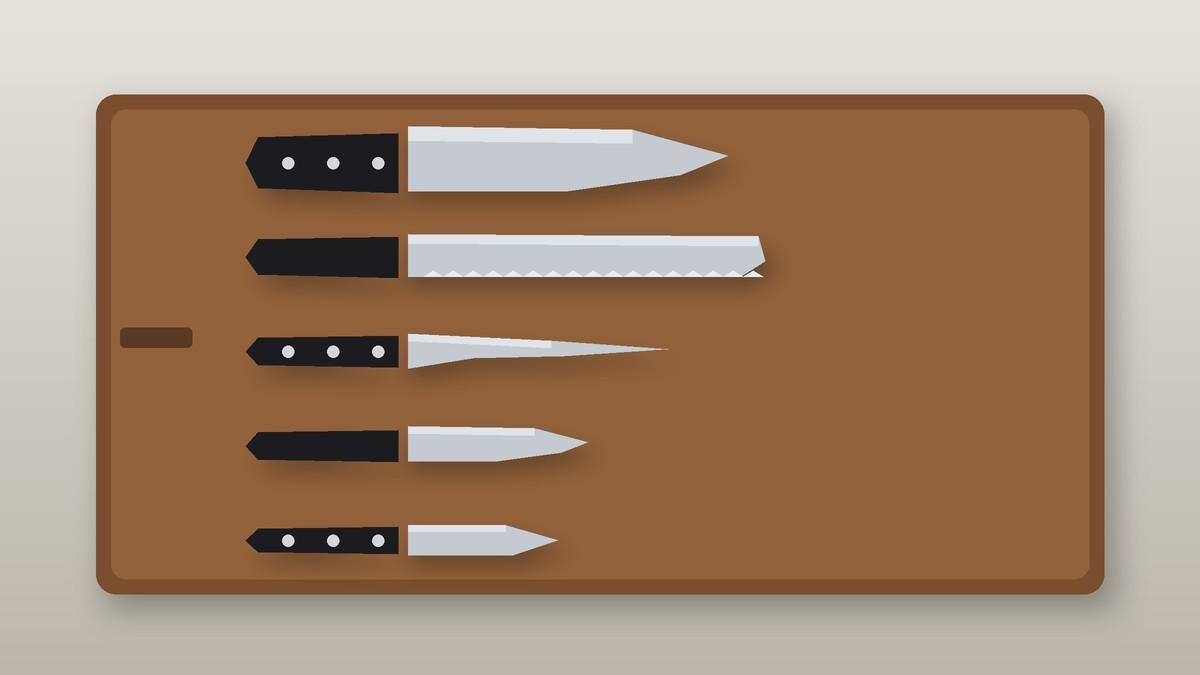
The 3 Cheese Knives Every Starter Set Needs
You do not need a dozen tools to serve a good board. Three knives cover almost every cheese you are likely to buy, and you can add specialist pieces later.
- A soft-cheese knife with holes for Brie, Camembert, Taleggio and fresh mozzarella.
- A cheese cleaver or flat chisel knife for Cheddar, Gouda, Gruyère and Manchego.
- A Parmesan (almond) knife for Parmigiano-Reggiano, Pecorino Romano and aged Gouda.
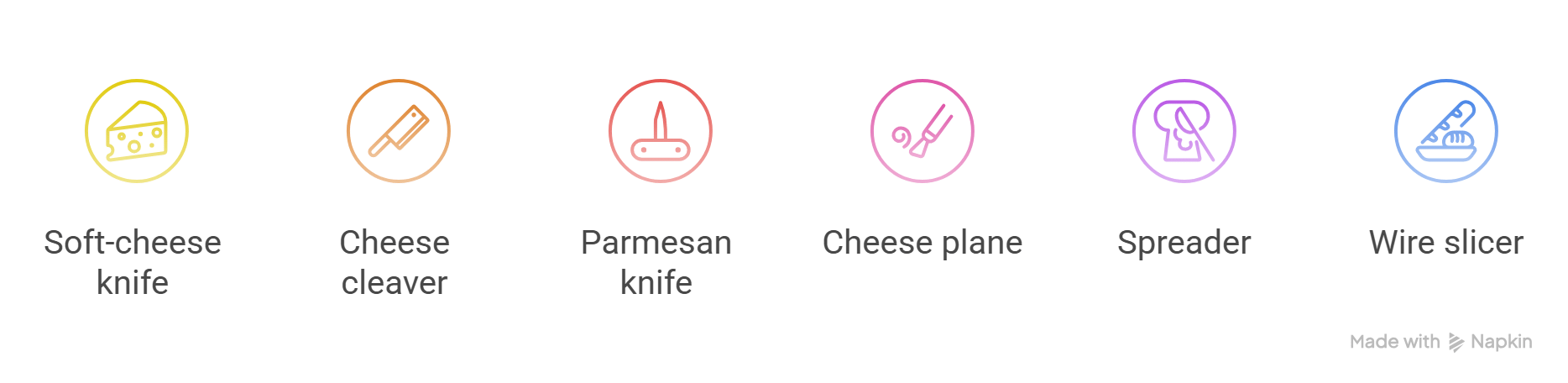
Give each cheese its own knife on the board. It stops a pungent blue from flavouring a mild Brie, and it keeps soft paste from smearing across a clean slice of Cheddar. The Wisconsin Cheese guide to cheese knives is a useful visual reference if you are shopping for a set. If you are also building out the rest of your block, see our guides to the types of kitchen knives and their uses and what knives every kitchen should have. For small jobs like trimming rind, a good everyday paring knife is a handy backup.
Care and Storage Tips
Proper care keeps your cheese knives sharp, clean, and ready for your next gathering. Always wash your cheese knives by hand using warm water and mild dish soap.
Never put cheese knives in the dishwasher. The intense heat and harsh detergent can dull sharp edges and damage wooden handles. Dry the knives thoroughly with a towel straight after washing to prevent rust spots.
Store your knives on a magnetic strip or in protective sheaths rather than loose in a drawer. Treat natural wooden handles occasionally with food-grade mineral oil to keep the wood hydrated.
Final Thoughts: What Knife to Cut Cheese With
So, what knife to cut cheese with? Match the blade to the texture. Use a perforated knife for soft cheese, a cleaver, plane or wire for semi-hard cheese, a pointed Parmesan knife for hard cheese and a forked tip for crumbly cheese. Cut so that every piece carries a little rind and a little centre, keep one knife per cheese, and your board will look and taste better.
Frequently Asked Questions
Why do some cheese knives have holes in the blade?
The holes reduce the metal surface area touching the cheese paste. This prevents soft, creamy cheeses from sticking and tearing as you slice.
What is the best knife to use for Brie?
A soft-cheese knife with perforations or a wire cheese cutter is best for Brie. Both tools glide through the soft centre without squashing the delicate rind.
Why do cheese knives have two prongs at the tip?
The prongs allow you to pick up and serve cut pieces without touching the cheese with your fingers. This keeps serving hygienic and convenient for guests.
How do you cut hard cheeses like Parmesan?
Hard cheeses are pried into chunks rather than sliced. Insert the pointed tip of a spade or chisel knife into the cheese and twist to break off natural pieces.
Do you need a separate knife for every cheese on a board?
Yes, using a separate knife for each cheese prevents flavour cross-contamination. It stops bold flavours like blue cheese from ruining milder cheeses on the board.