Quick Summary
- Best approach: build your own kit from proven individual knives instead of a boxed set.
- Core knife: Victorinox Fibrox Pro 8-inch chef’s knife, a long-time favorite in professional kitchens.
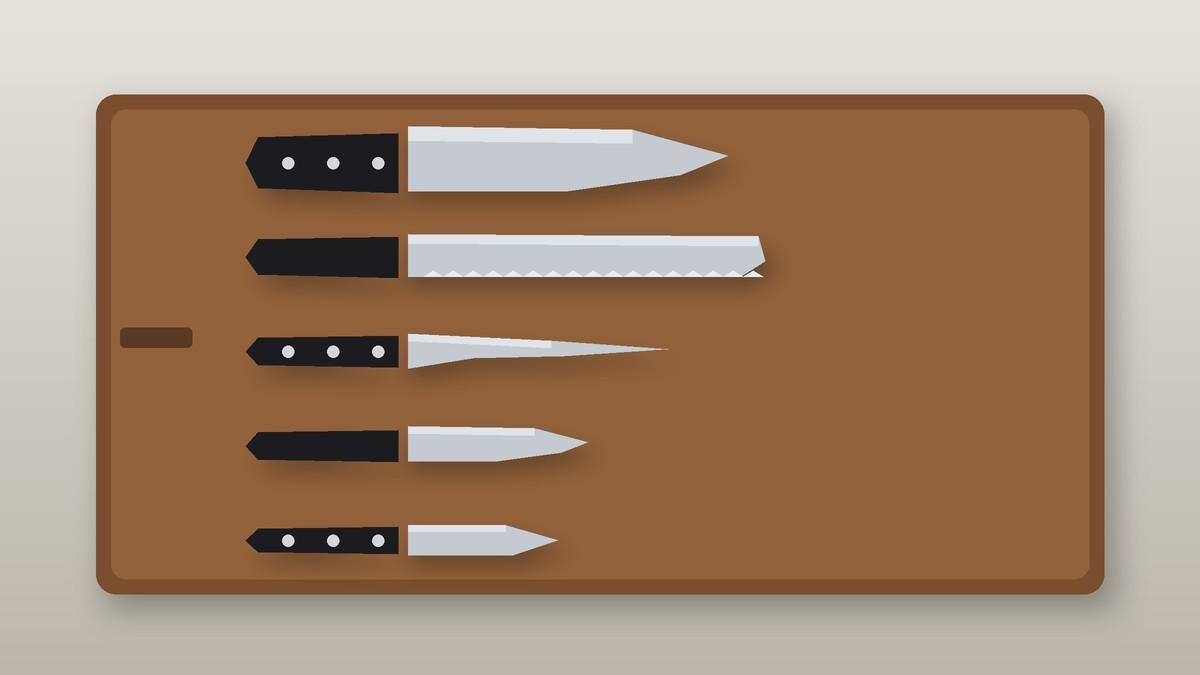
- The other four: a paring knife, a bread knife, a boning knife and a long slicer.
- The bag: a 10-pocket leather knife roll that holds the kit plus a honing steel and tools.
- Avoid: boxed “master chef” sets with vague steel, fake Damascus patterns and padded piece counts.
Knives Task is reader-supported: if you buy through a link on this page, we may earn a small Amazon commission at no extra cost to you. That never changes which knives we recommend.
Culinary students, line cooks and private chefs all need the same thing: a small set of reliable knives they can carry to work. Most of them don’t buy a boxed set with a bag; they build their own kit.
Boxed sets often include knives you’ll never use and leave out the ones you need. Many of the sets sold online with a bag also make claims that are hard to verify, such as “never needs sharpening”.
This guide shows how to build a professional kit with proven knives and a durable roll. It’s the same approach many working cooks take.
The Kit at a Glance
| Item | Our pick | Why it earns its place |
|---|---|---|
| Chef’s knife | Victorinox Fibrox Pro 8″ | The daily workhorse |
| Paring knife | Victorinox Swiss Classic 3.25″ | Peeling, trimming, garnish |
| Bread knife | Mercer Millennia 10″ | Bread, tomatoes, cakes |
| Boning knife | Victorinox Fibrox Pro 6″ Curved | Poultry, meat and fish |
| Slicer | Victorinox Fibrox Pro 12″ Granton | Roasts, brisket and salmon |
| Knife roll | Leather Knife Roll, 10 Pockets | Carries the whole kit |
How we chose: we haven’t lab-tested these knives side by side. We compared blade length and shape, steel, construction (forged or stamped), handle design and the makers’ published specifications, and we favored models with a long track record and consistent owner feedback over newer, unproven listings.
Product details come from the manufacturers’ listings. Prices change often, so check before buying.
Why Pros Build Their Own Kit
Professional cooks choose each knife for a job. A boxed set forces you to accept someone else’s choices, often with lower quality hidden behind a high piece count.
- Better knives for the money: you spend on the knives you use every shift.
- Easy replacement: if one knife is lost or damaged, you replace just that one.
- Room to grow: you can add a santoku, a cleaver or a Japanese gyuto later.
- Honest specifications: established brands publish exactly what you’re getting.
Many culinary schools provide or recommend a starter kit from brands like Victorinox or Mercer, which shows how well these knives hold up to heavy use.
The Knives in a Professional Kit
1. Victorinox Fibrox Pro 8-Inch Chef’s Knife — The Workhorse
Best for: every cook; this is the knife you’ll use for most of your shift.
The Fibrox Pro is one of the most widely used chef’s knives in professional kitchens. It’s light, sharp and has a textured handle that stays secure when wet or greasy.
Its stamped blade is easy to sharpen and forgiving of the knocks a knife takes in a busy kitchen. The handle is also easy to sanitize.
Some cooks later upgrade to a forged German or Japanese chef’s knife. Many keep the Fibrox as a reliable backup for years.
What we like:
- Light and agile
- Non-slip handle
- Excellent value
What to consider:
- Plain looks
- Stamped rather than forged
Check the current price of the Victorinox Fibrox Pro 8-inch chef’s knife on Amazon →
2. Victorinox Swiss Classic 3.25-Inch Paring Knife — Best Paring Knife
Best for: peeling, trimming, segmenting citrus and garnish work.
A thin, sharp paring knife is essential for detailed prep. This Victorinox is inexpensive, so many cooks keep two or three in their roll.
Its short blade gives fine control for in-hand work, such as turning vegetables or hulling strawberries.
Paring knives are easy to lose in a busy kitchen, so a cheap, reliable one is a smart choice.
What we like:
- Very sharp
- Inexpensive
- Light and nimble
What to consider:
- Thin blade isn’t for hard foods
- Easy to misplace
Check the current price of the Victorinox Swiss Classic paring knife on Amazon →
3. Mercer Millennia 10-Inch Bread Knife — Best Bread Knife
Best for: bread, cakes, tomatoes and anything with a tough skin and soft inside.
Mercer is widely used in culinary schools, and the Millennia line is its affordable, practical range. The 10-inch blade has a wide, wavy edge that cuts crusty bread without crushing it.
A long bread knife is also useful for leveling cakes and splitting sponge layers. In a professional kit, it covers every job a serrated edge does best.
Serrated knives stay usable for a long time, but they do eventually need sharpening with a tapered rod.
What we like:
- Long, wavy edge
- Great value
- Grippy handle
What to consider:
- Long blade needs a long roll pocket
- Serrations need special sharpening
Check the current price of the Mercer Millennia 10-inch bread knife on Amazon →
4. Victorinox Fibrox Pro 6-Inch Curved Boning Knife — Best Boning Knife
Best for: breaking down chickens, trimming meat and filleting fish.
The curved, semi-stiff blade follows bones closely, so you waste less meat. It’s a standard tool in many professional kitchens.
The pointed tip slips easily into joints, and the textured handle stays secure when greasy. It’s light enough to use for long periods without fatigue.
If you work with a lot of fish, consider adding a flexible fillet knife later.
What we like:
- Ideal shape for poultry and meat
- Non-slip handle
- Good value
What to consider:
- Not a fillet knife
- Plain looks
Check the current price of the Victorinox Fibrox Pro curved boning knife on Amazon →
5. Victorinox Fibrox Pro 12-Inch Granton Slicer — Best Slicer
Best for: carving roasts, slicing brisket and portioning smoked salmon.
A long slicer cuts large roasts in single strokes, which gives cleaner slices. Granton hollows along the blade help slices fall away instead of sticking.
Its rounded tip makes long strokes safer on a crowded station. It’s a staple in barbecue, catering and carving stations.
It needs a long pocket, so check your roll fits a 12-inch blade before buying.
What we like:
- Clean single-stroke slices
- Granton edge reduces sticking
- Great value
What to consider:
- Very long for small rolls
- Specialized job
Check the current price of the Victorinox Fibrox Pro 12-inch slicer on Amazon →
The Bag: Choosing a Knife Roll
A knife roll protects your edges, keeps knives organized and makes them easy to carry to work. The pick here is a leather knife roll with 10 elastic, expandable pockets, according to its listing.
Ten pockets hold the five knives above plus a honing steel, peeler, spoons, tweezers and a thermometer. Leather is durable and ages well, but it needs to dry if it gets wet.
| Bag type | Pros | Cons |
|---|---|---|
| Leather roll | Durable, looks professional | Heavier; must be kept dry |
| Canvas or waxed canvas roll | Tough, lighter, easy to clean | Can stain |
| Nylon bag with zip case | Light, padded, many pockets | Less traditional look |
| Hard case | Maximum protection | Bulky to carry |
What to Look For in a Knife Roll
- Pocket length: make sure the longest pocket fits your bread knife or slicer.
- Edge protection: use blade guards inside the roll so edges don’t cut through pockets.
- A secure closure: straps or buckles should hold the roll tightly closed.
- Easy cleaning: the lining should be wipeable, since rolls pick up kitchen grime.
- Room to grow: a few spare pockets for knives and tools you’ll add later.
Other Tools Worth Carrying
- Honing steel: realigns your edges before and during service.
- Y-peeler: fast, safe peeling for large quantities.
- Fish spatula and tasting spoons: standard kit for many line cooks.
- Probe thermometer: essential for meat and food safety.
- Blade guards: protect knives and your hands when reaching into the roll.
Kits for Different Kinds of Cooks
Not every cook needs the full five-knife kit on day one. Start with what your work demands and add pieces as you go.
Culinary Student
A chef’s knife, a paring knife and a bread knife cover most early classes. Add the boning knife when you reach butchery and fish lessons.
Check your school’s kit list before buying, because some programs require specific items.
Line Cook
A chef’s knife, two paring knives and a boning knife handle most stations. A slicer earns its place if you work a carving station or barbecue line.
Keep the roll compact, because locker space is often tight.
Private Chef or Caterer
You never know what a client’s kitchen will have, so carry the full kit plus a honing steel, peeler and thermometer. A sturdy roll or padded bag protects everything in transit.
Knife Etiquette in a Professional Kitchen
- Carry knives point down and close to your side when walking.
- Call out “sharp” or “knife” when you move behind someone with a blade.
- Never leave knives in the sink, where someone could reach in and get cut.
- Don’t borrow another cook’s knives without asking; many cooks are protective of their kit.
- Mark your knives with tape or engraving so they don’t go missing.
Keeping a Professional Kit Sharp
Working cooks hone their knives at the start of each shift and often during service. Sharpening on a whetstone every week or two keeps edges at their best.
If you’re new to stones, start with our guide on how to sharpen kitchen knives with a stone. Always hand wash and dry knives before putting them back in the roll.
Boxed Sets With a Bag: What to Watch For
Online listings often bundle knives, sharpening stones and a bag under names like “master chef” or “professional”. Some are fine, but many share the same warning signs.
- Vague steel: descriptions like “premium stainless” with no grade.
- Printed Damascus patterns that are only decoration.
- Cleavers and novelty knives padding the piece count.
- Claims that knives never need sharpening, which is never true.
Caring for Your Knife Roll
Empty the roll every week or two and wipe the lining with a damp cloth. Let it dry fully, open, before packing it again.
Treat leather rolls with a leather conditioner a few times a year to stop them cracking. If a pocket starts to split, repair it early, before a blade slips through.
Store the roll flat or hanging, not crushed at the bottom of a bag. That keeps the knives aligned and protects their tips.
Budgeting for a Professional Kit
The five knives in this guide are all value-priced professional tools, so the whole kit has typically cost less than many boxed sets. Spending more on a single premium chef’s knife later is usually a better upgrade than buying a bigger set.
Upgrading Your Kit Over Time
Once your basic kit is in place, many cooks add a second chef’s knife in a different style. A Japanese gyuto or a German forged chef’s knife are popular upgrades.
For ideas, see our guides to the best Japanese kitchen knives and the best chef’s knives under $100.
Frequently Asked Questions
What knives should be in a professional chef’s kit?
A chef’s knife, a paring knife, a bread knife, a boning knife and a long slicer cover most professional jobs.
Is it better to buy a knife set with a bag or build your own?
Building your own usually gives better knives for the money and lets you choose exactly what you need.
What knives do culinary students use?
Many culinary programs provide or recommend starter kits from brands like Victorinox and Mercer.
Are leather knife rolls good?
Yes. They’re durable and look professional, but they must be kept dry and should be used with blade guards.
How many pockets do I need in a knife roll?
Eight to ten pockets hold a core kit plus a honing steel and small tools, with room to add knives.
Should I put knives in the roll wet?
No. Always wash and dry knives first to prevent rust and keep the roll clean.