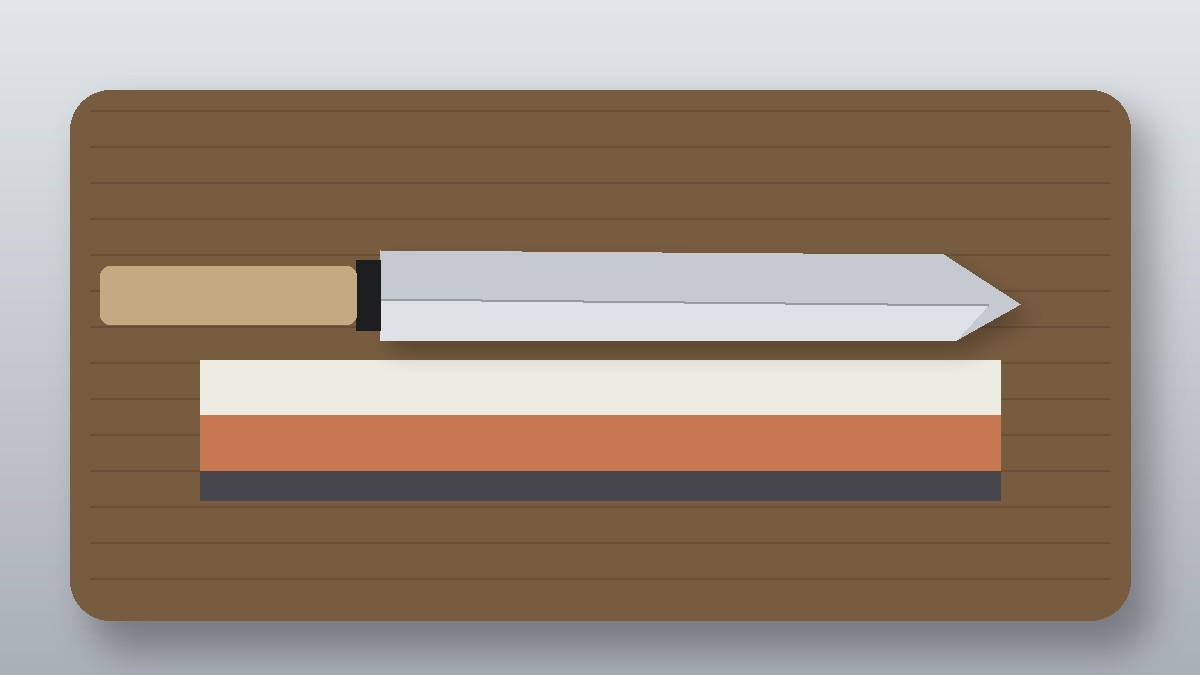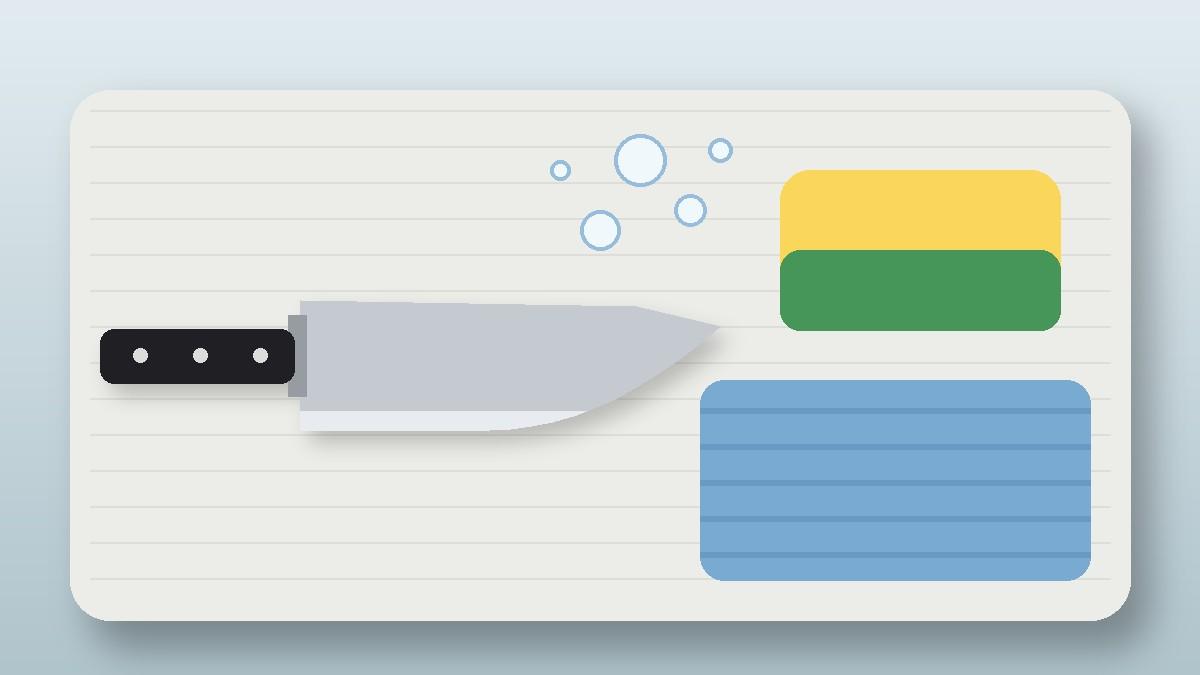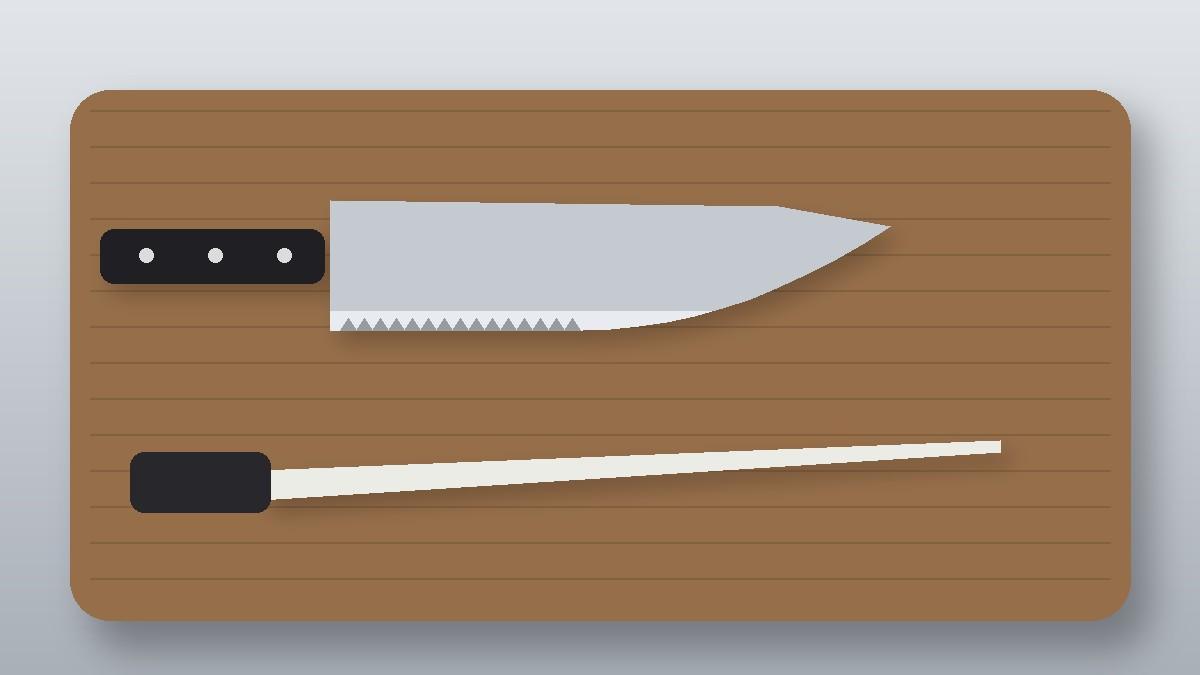

Knowing how to sharpen a Gerber knife is a useful skill for any owner. Gerber makes everything from Paraframe pocket knives and StrongArm fixed blades to multi-tools and partly serrated survival knives like the LMF II. The good news: they all sharpen the same basic way — match the existing bevel angle, raise a burr, refine with a finer grit, then remove the burr. Gerber’s common steels (420HC and 7Cr17MoV) are soft enough to sharpen quickly, even in the field. This guide covers the tools, angle, whetstone steps, serrated edges, multi-tool blades and field sharpening.
Quick Summary
- Angle: match the existing bevel — usually about 17–25° per side; use the marker trick.
- Best home tool: a 1000-grit whetstone, finished on a finer stone or leather strop.
- Best field tool: a pocket diamond rod or compact carbide/ceramic sharpener.
- Serrations: a tapered rod, one scallop at a time, on the beveled side.
- Maintenance: clean, dry and touch up little and often.
Signs Your Gerber Needs Sharpening
- It slides across rope, cardboard or tomato skin instead of biting in.
- You need to press hard or saw back and forth.
- Bright, reflective spots along the edge show where it has rolled flat.
- You can see or feel nicks and chips.
A dull knife needs more force, and force is what makes a blade skip off a branch toward your hand. A sharp edge cuts with light, controlled pressure — it’s safer as well as more effective.
Know Your Gerber’s Steel
| Steel | Common in | Sharpening notes |
|---|---|---|
| 420HC | StrongArm, LMF II, Prodigy, Ghoststrike | Soft and tough; sharpens fast on any stone |
| 7Cr17MoV | Paraframe, Flatiron | Easy to sharpen; touch up often |
| D2 | Some Flatiron variants | Holds an edge longer; slower on stones |
| CPM S30V | Fastball, Sedulo | Premium; diamond plates work best |
Not sure which model you have? Our guide to the best Gerber knives lists steels for popular models.
What You’ll Need
| Tool | Best for | Notes |
|---|---|---|
| Whetstone (~1000 grit) | Main sharpening at home | Add 3000–6000 grit or a strop for polish |
| Coarse stone or diamond plate (220–400) | Chips, very dull edges | Removes metal fast; use sparingly |
| Tapered rod | Serrated sections | Fits each serration |
| Compact field sharpener | Outdoor touch-ups | Quick but less precise |
| Strop (leather or cardboard) | Burr removal, final polish | Optional but effective |
| Permanent marker | Finding the angle | Color the bevel, watch where ink disappears |
Wikipedia’s overview of sharpening stones explains the differences between water, oil and diamond stones.

Find the Right Angle
Most pocket and outdoor knives are sharpened at roughly 17–25° per side, many around 20°. The easiest approach is to match the angle your Gerber already has: color the edge bevel with a marker, make a few light strokes, and check where the ink is gone. If it’s removed only at the very edge, lower the angle; if only at the top of the bevel, raise it. A slightly steeper angle (around 22–25°) makes a tougher edge for batoning and chopping.
How to Sharpen a Gerber Knife on a Whetstone
1. Prepare the Stone
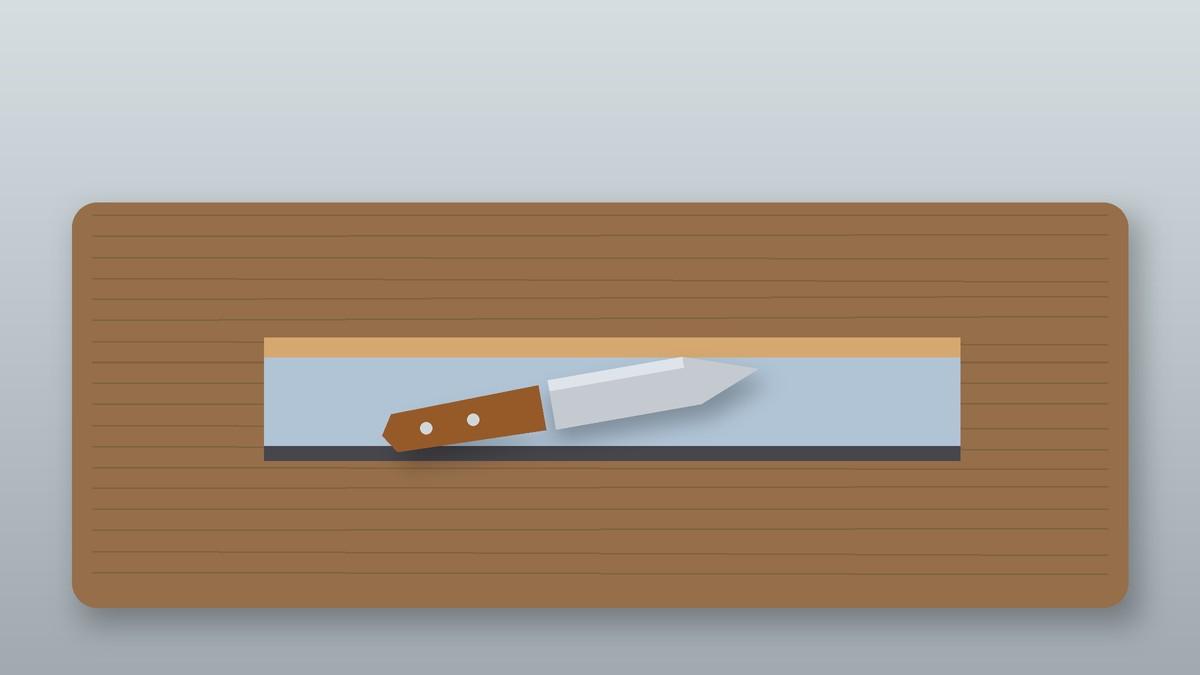
Soak a water stone until bubbles stop (or splash a splash-and-go stone); oil stones need a thin coat of honing oil. Set the stone on a non-slip base or damp towel so it can’t move.
2. Lock Open Folding Blades
Open folders fully and confirm the frame lock, liner lock or button lock is engaged. Never sharpen a folder that could close on your fingers. See how to close a Gerber knife for each lock type.
3. Sharpen the First Side
Hold the blade at your angle and push it edge-first across the stone, sweeping from heel to tip. Small blades curve sharply at the tip, so lift the handle slightly as you reach the belly. Continue until you feel a slight burr along the whole opposite side.
4. Sharpen the Second Side
Flip the knife and repeat until the burr moves back. Keep stroke counts roughly equal so the edge stays centered.
5. Refine and Remove the Burr
Move to a finer grit with lighter, alternating strokes, then strop spine-first on leather or cardboard to remove the last of the burr.
6. Test the Edge
Slice a sheet of paper held in the air — a sharp edge cuts cleanly from heel to tip without catching. More general technique in our guide to knife sharpening basics and how to sharpen a small knife.
Sharpening Serrated Gerber Blades
Many Gerbers (LMF II, Bear Grylls Ultimate, StrongArm serrated) have partly serrated edges. Sharpen the plain section on the stone as above, then the serrations separately:
- Find the beveled side of the serrations — usually only one side is ground.
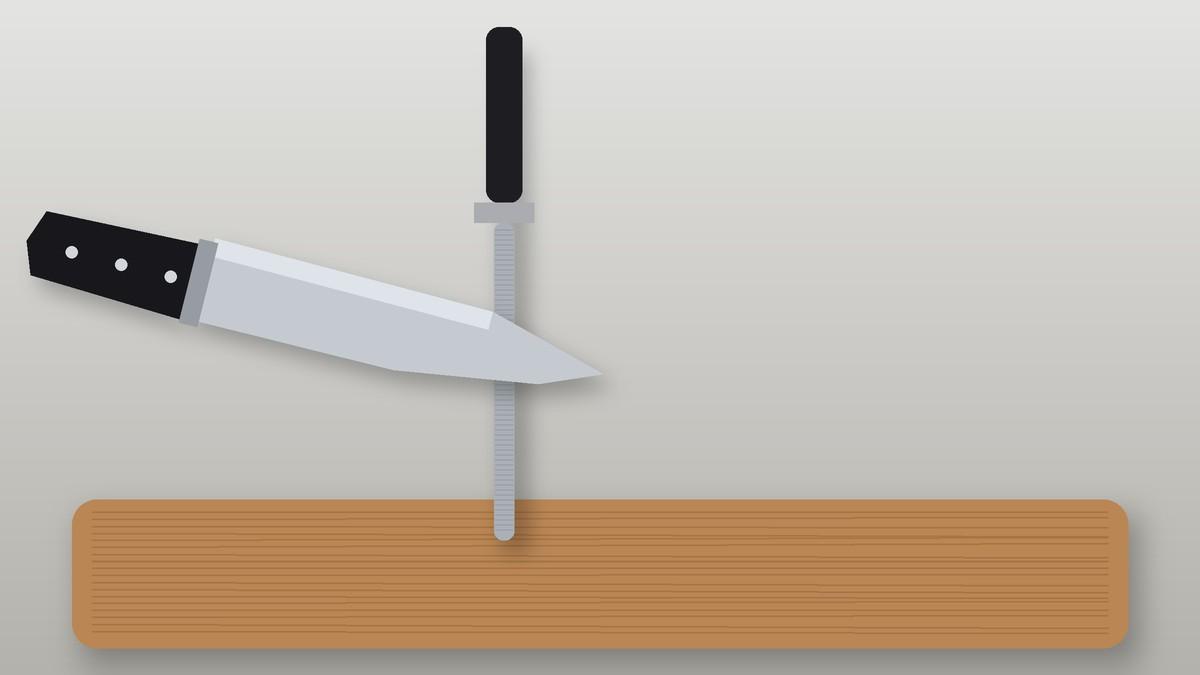
- Insert a tapered rod into a serration, matching the existing angle.
- Stroke outward a few times until the scallop feels sharp.
- Repeat for every serration, then remove the burr with one light pass on the flat side.
Never grind serrations flat on a bench stone — you’ll erase the teeth. For more on edge types, see serrated vs plain edge.

Sharpening Multi-Tool Blades
Multi-tool blades are short, so a pocket stone or rod is easier than a bench stone. Open only the blade you’re sharpening, make sure it’s locked, and keep the pliers and other tools folded away so they don’t catch the stone or your hand.
Field Sharpening
Compact sharpeners with carbide or ceramic slots are quick but aggressive — light pressure, few strokes. A small diamond rod or pocket stone gives more control and a better edge. Do a full sharpening at home on a bench stone. Gerber also offers sharpeners and warranty service through Gerber Gear.
Fixed-Blade Gerber Knives
Larger fixed blades are easier to hold steady, so they’re a great place to learn — just use longer, sweeping strokes so the whole edge meets the stone.
Common Mistakes
- Ignoring the tip: lift the handle at the curve.
- Too coarse a grit: save coarse stones for chips.
- Skipping the burr: the edge isn’t formed until you feel one.
- Grinding serrations flat: use a tapered rod.
- Sharpening an unlocked folder: always check the lock.
Keeping Your Gerber Sharp Longer
- Cut on wood, cardboard or plastic — not stone or metal.
- Clean and dry the blade after use, especially after food or wet conditions.
- Touch up with a fine stone or strop before it gets really dull.
- Keep the pivot clean and lightly oiled so the lock engages securely.

Sharpening kitchen knives too? See how to sharpen kitchen knives.
Frequently Asked Questions
What angle should I sharpen a Gerber knife?
Match the existing bevel — most are about 17–25° per side. The marker trick reveals it.
Can I use a pull-through sharpener on a Gerber?
Yes for quick touch-ups with light pressure; a stone gives a better, longer-lasting edge.
How do I sharpen the serrated part of my Gerber?
Use a tapered rod in each serration on the beveled side, then lightly remove the burr from the flat side.
Is 420HC easy to sharpen?
Very. It’s soft and tough, so it responds quickly to any stone or rod.
How long does it take to sharpen a pocket knife?
About 5–15 minutes on a stone for a moderately dull blade; touch-ups take a minute or two.
When should I send my Gerber for service?
If the blade is bent, badly chipped or the lock doesn’t hold. Check Gerber’s warranty terms.
Can I use a kitchen sharpener on my Gerber?
A pull-through kitchen sharpener can work on plain-edge Gerber blades in a pinch, but it removes more steel and may not suit the angle. A small stone, rod or Gerber field sharpener gives more control, especially on short folding blades.