Quick Summary
- Best traditional: Yoshihiro Shiroko yanagiba, white carbon steel with a single bevel and a saya.
- Best stainless traditional: Yoshihiro Hongasumi VG-10 yanagiba, lower maintenance than carbon steel.
- Best for beginners and left-handers: Tojiro DP sujihiki, a double-bevel slicer.
- Best premium: Shun Dual Core yanagiba, a striking layered blade made in Seki.
- Length: about 10 to 12 inches lets you slice fish in a single pulling stroke.
Knives Task is reader-supported: if you buy through a link on this page, we may earn a small Amazon commission at no extra cost to you. That never changes which knives we recommend.
Sushi and sashimi depend on clean cuts. A sharp, long slicing knife lets you cut raw fish in one smooth stroke, so the surface stays glossy instead of torn.
The traditional Japanese sushi knife is the yanagiba, a long, narrow blade sharpened on one side. A sujihiki is a double-bevel alternative that’s easier for beginners and left-handed cooks.
Below are six knives worth considering, followed by a guide to bevels, lengths, steels and care.
Our Picks at a Glance
| Knife | Type | Steel | Best for |
|---|---|---|---|
| Yoshihiro Shiroko 10.5″ Yanagiba | Yanagiba, single bevel | White carbon steel | Traditional |
| Yoshihiro Hongasumi VG-10 Yanagiba | Yanagiba, single bevel | VG-10 stainless | Stainless traditional |
| Tojiro DP 10.5″ Sujihiki | Sujihiki, double bevel | VG-10 core | Beginners, left-handers |
| Shun Dual Core 10.5″ Yanagiba | Yanagiba | VG-10 and VG2 layers | Premium |
| Global G-47 10″ Sashimi Knife | Slicer | Stainless | All-steel, easy care |
| Dalstrong Shogun 10.5″ Yanagiba | Yanagiba, single bevel | AUS-10V | Budget |
How we chose: we haven’t lab-tested these knives side by side. We compared blade length and shape, steel, construction (forged or stamped), handle design and the makers’ published specifications, and we favored models with a long track record and consistent owner feedback over newer, unproven listings.
Specifications come from the manufacturers’ listings. Prices change often, so check before buying.
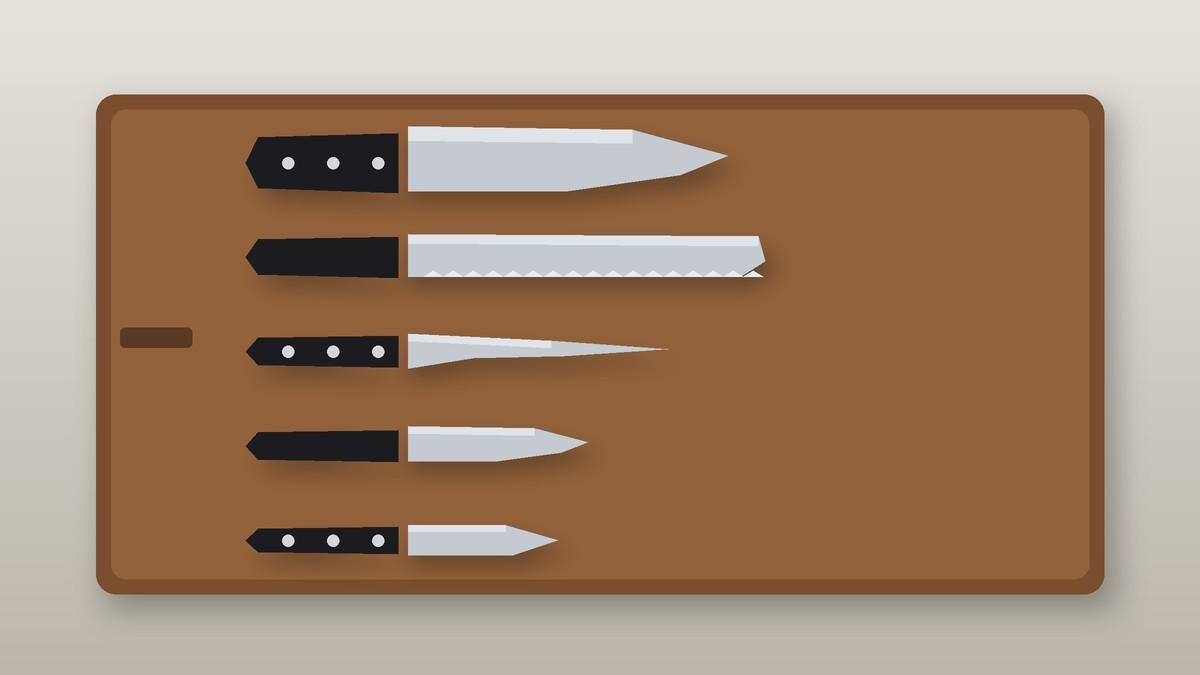
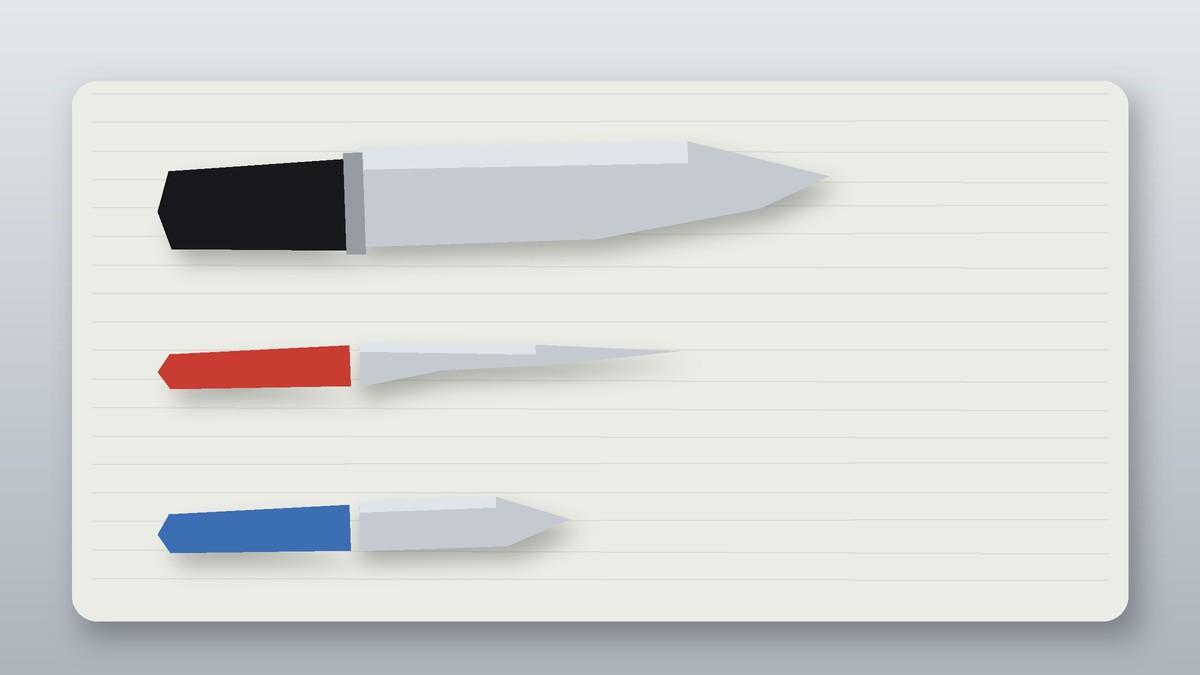
Yanagiba, Sujihiki and Other Sushi Knives
| Knife | Bevel | Main use |
|---|---|---|
| Yanagiba | Single | Slicing sashimi and sushi fish |
| Takohiki | Single | Slicing, traditionally for octopus; square tip |
| Sujihiki | Double | Slicing fish and meat; easier for beginners |
| Deba | Single | Breaking down whole fish, cutting through small bones |
| Usuba | Single | Fine vegetable cuts for garnish |
Most home sushi makers need only a yanagiba or sujihiki. Add a deba if you buy whole fish and fillet them yourself.
The Best Sushi Knives
1. Yoshihiro Shiroko 10.5-Inch Yanagiba — Best Traditional
Best for: cooks who want an authentic, traditional sushi knife and will care for carbon steel.
This yanagiba uses Shiroko, a Japanese white carbon steel, hardened to around 62 to 63 HRC according to the listing. It has a single bevel for right-handed use, a D-shaped wooden handle and a magnolia wood saya.
White steel takes an exceptionally fine edge and is easy to sharpen on water stones. It’s the classic choice for traditional sushi chefs.
Carbon steel rusts quickly, so wipe it dry during use and oil it before storage.
What we like:
- Authentic traditional knife
- Exceptionally sharp
- Saya included
What to consider:
- Rusts if left wet
- Right-handed only
Check the current price of the Yoshihiro Shiroko yanagiba on Amazon →
2. Yoshihiro Hongasumi VG-10 Yanagiba — Best Stainless Traditional
Best for: cooks who want a traditional single-bevel yanagiba without carbon-steel upkeep.
This yanagiba keeps the traditional single-bevel design but uses VG-10 stainless steel, rated around 62 to 63 HRC in the listing. It resists stains much better than carbon steel.
It’s a good choice for home cooks who love the traditional knife but don’t want to fight rust. A longer 11.8-inch version is also available.
Like all single-bevel knives, it needs a specific sharpening technique on water stones.
What we like:
- Stainless, low maintenance
- Traditional single bevel
- Very sharp
What to consider:
- Single bevel takes practice
- Right-handed only
Check the current price of the Yoshihiro Hongasumi VG-10 yanagiba on Amazon →
3. Tojiro DP 10.5-Inch Sujihiki — Best for Beginners and Left-Handers
Best for: beginners, left-handed cooks and anyone who also wants to slice cooked meat.
Tojiro’s DP line has a VG-10 core clad in softer stainless steel, hardened to around 60 HRC. The sujihiki is double-beveled, so it sharpens like a Western knife and works in either hand.
It slices fish beautifully and doubles as a carving knife for roasts and brisket. That makes it more versatile than a yanagiba.
Tojiro DP is widely regarded as one of the best-value Japanese knife lines.
What we like:
- Double bevel suits either hand
- Versatile slicer
- Excellent value
What to consider:
- Not a traditional single bevel
- Plain Western handle
Check the current price of the Tojiro DP sujihiki on Amazon →
4. Shun Dual Core 10.5-Inch Yanagiba — Best Premium
Best for: enthusiasts who want a beautiful, made-in-Japan yanagiba.
Shun’s Dual Core blades are made from alternating layers of VG-10 and VG2 stainless steels. The pattern is striking, and the steels help the edge keep its bite.
It’s made in Seki, Japan, and has an octagonal PakkaWood handle. Like other Shun knives, it’s covered by Shun’s limited warranty and sharpening service.
It’s expensive, but it’s a knife you’ll be proud to use and display.
What we like:
- Beautiful layered blade
- Stainless steels
- Made in Seki
What to consider:
- Premium price
- Delicate edge needs care
Check the current price of the Shun Dual Core yanagiba on Amazon →
5. Global G-47 10-Inch Sashimi Knife — Best All-Steel, Easy Care
Best for: cooks who want a stainless, low-maintenance slicer with a modern design.
Global knives are made in Japan and are known for their one-piece stainless steel construction with a dimpled, hollow handle. There are no seams for food to collect in.
The G-47 is a long sashimi slicer that suits fish and other fine slicing. Check the listing for the edge and bevel details.
Global’s all-steel handle feels different from wood; some cooks love it, while others find it slippery when wet.
What we like:
- Stainless, easy care
- Seamless one-piece design
- Made in Japan
What to consider:
- Steel handle can feel slippery
- Light weight takes getting used to
Check the current price of the Global G-47 sashimi knife on Amazon →
6. Dalstrong Shogun 10.5-Inch Yanagiba — Best Budget
Best for: beginners who want to try a single-bevel yanagiba without a big outlay.
Dalstrong’s Shogun yanagiba has a single-bevel AUS-10V steel blade with layered cladding, according to the listing. It comes with a protective guard.
Dalstrong knives use Japanese steel but aren’t made in Japan. It’s an affordable way to learn single-bevel slicing before investing in a traditional Japanese knife.
Treat it as a starter knife and upgrade once you know you love making sushi.
What we like:
- Low price for a yanagiba
- Single bevel to learn on
- Guard included
What to consider:
- Not made in Japan
- Less refined than traditional makers
Check the current price of the Dalstrong Shogun yanagiba on Amazon →
Single Bevel or Double Bevel?
A single-bevel knife is sharpened on one side only, with a slightly hollow back. It produces exceptionally clean slices but only works properly in the hand it’s made for.
A double-bevel knife is sharpened on both sides like a Western knife. It’s easier to sharpen and works for left- and right-handed cooks.
| Feature | Single bevel (yanagiba) | Double bevel (sujihiki) |
|---|---|---|
| Cut quality | Exceptionally clean | Very clean |
| Handedness | Left- or right-specific | Either hand |
| Sharpening | Specialist technique | Like a Western knife |
| Best for | Traditional sushi and sashimi | Beginners, mixed use |
Anatomy of a Yanagiba
Knowing the parts of a traditional yanagiba makes product descriptions and sharpening guides much easier to follow.
| Part | What it is |
|---|---|
| Shinogi | The line on the front face where the bevel begins |
| Kireha | The wide bevel between the shinogi line and the edge |
| Urasuki | The shallow hollow ground into the back of the blade |
| Uraoshi | The thin flat rim around the hollow on the back |
| Kissaki | The tip of the blade |
| Ago | The heel, where the edge meets the handle end |
The hollow back reduces friction so fish releases cleanly, and the flat rim keeps the edge straight. When sharpening, you work mostly on the front bevel and only lightly flatten the back.
Japanese Handles Explained
Traditional sushi knives use wa handles, usually made of light magnolia wood with a ferrule of buffalo horn or resin. They’re D-shaped or octagonal and quite light, which moves the balance toward the blade.
D-shaped handles are made for one hand, while octagonal handles suit either hand. Western-handled slicers, like the Tojiro DP, feel more familiar to many home cooks.
Buying Fish for Sushi
Use fish sold specifically for raw eating, often labeled sushi grade or sashimi grade, from a fishmonger you trust. Ask how it has been handled and keep it well chilled until you slice it.
Choosing the Right Length
Sushi knives are usually 8 to 13 inches long. The goal is to slice each piece of fish in one long pulling stroke, from heel to tip.
For most home cooks, 10 to 11 inches is ideal. Longer knives suit large fish and professional counters, while shorter ones are easier to handle in a small kitchen.
How to Slice Fish for Sashimi
- Start with very fresh, well-chilled fish from a source you trust.
- Place the knife heel on the fish at a slight angle.
- Draw the knife toward you in one smooth stroke, using the full length of the blade.
- Don’t saw back and forth: it tears the flesh and dulls the surface.
- Wipe the blade with a damp cloth between cuts to keep it clean.
Carbon or Stainless Steel?
Carbon steels like white and blue paper steel take the keenest edges and are prized by sushi chefs. They rust quickly and must be wiped dry during use.
Stainless steels like VG-10 are much easier to care for and still very sharp. For most home cooks, stainless is the practical choice.
Caring for a Sushi Knife
- Hand wash and dry immediately: never use a dishwasher.
- Use a soft wood or plastic board: hard boards damage thin edges.
- Never cut bones or frozen fish: use a deba or cleaver for bones.
- Sharpen on water stones: single-bevel knives need a specific technique.
- Store in a saya or on a magnetic strip: never loose in a drawer.
Our guide on how to sharpen a sushi knife walks through single-bevel sharpening.
Cutting Boards for Sushi Knives
A soft wooden board, such as hinoki cypress or another softwood, is traditional for sushi work. It’s kind to thin edges and gives slightly under the blade.
Soft rubber or plastic boards also work well. Avoid bamboo, glass and stone, which can chip or roll a yanagiba’s fine edge in just a few cuts.
Your First Sushi Knife
If you’re just starting, a double-bevel sujihiki like the Tojiro DP is the easiest way in. It’s simple to sharpen and useful for other slicing jobs.
Once you’re making sushi regularly, a traditional single-bevel yanagiba is a rewarding upgrade.
Do You Need a Deba Too?
If you buy whole fish, a deba makes filleting much easier. Its thick spine can cut through small bones and the head, which would damage a yanagiba.
If you buy ready-cut sashimi-grade fillets, a yanagiba or sujihiki is all you need. For other Japanese knife options, see our guide to the best Japanese kitchen knives.
Frequently Asked Questions
What knife is used for sushi?
A yanagiba, a long, single-bevel slicing knife. A double-bevel sujihiki is a good alternative for beginners.
What length should a sushi knife be?
About 10 to 11 inches suits most home cooks; professionals often use longer knives.
Can left-handed cooks use a yanagiba?
Only a left-handed version. A double-bevel sujihiki works in either hand.
Is carbon or stainless steel better for a sushi knife?
Carbon steel takes the keenest edge but rusts; stainless is easier to care for and still very sharp.
Can I use a chef’s knife for sushi?
You can, but a long slicer gives cleaner cuts because it slices in one stroke.
Why are sushi knives expensive?
Traditional yanagiba are often hand-finished from premium steels by skilled makers, which takes time and expertise.